Last Updated on October 16, 2026 by Samantha Marceau
Ever wonder why a pint of dense, expensive ice cream feels so different in your mouth than a tub of the cheap stuff, even in the same flavor? A lot of that comes down to a single variable most people have never heard of: overrun. So, what is overrun in ice cream? It’s the air that gets whipped into your base as it churns. Learn how to track it, why it matters, and what to do when it’s off.
What Overrun Actually Is
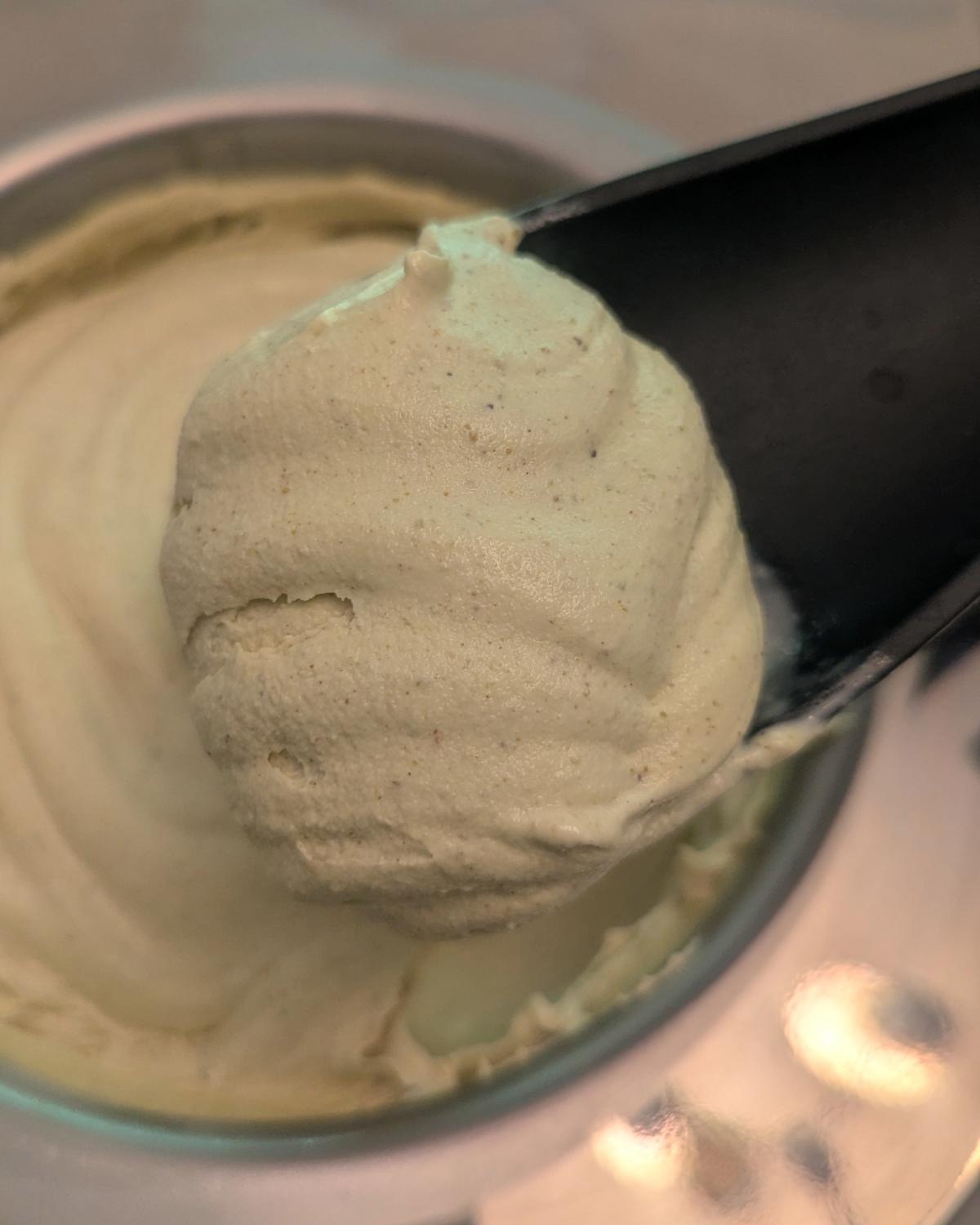
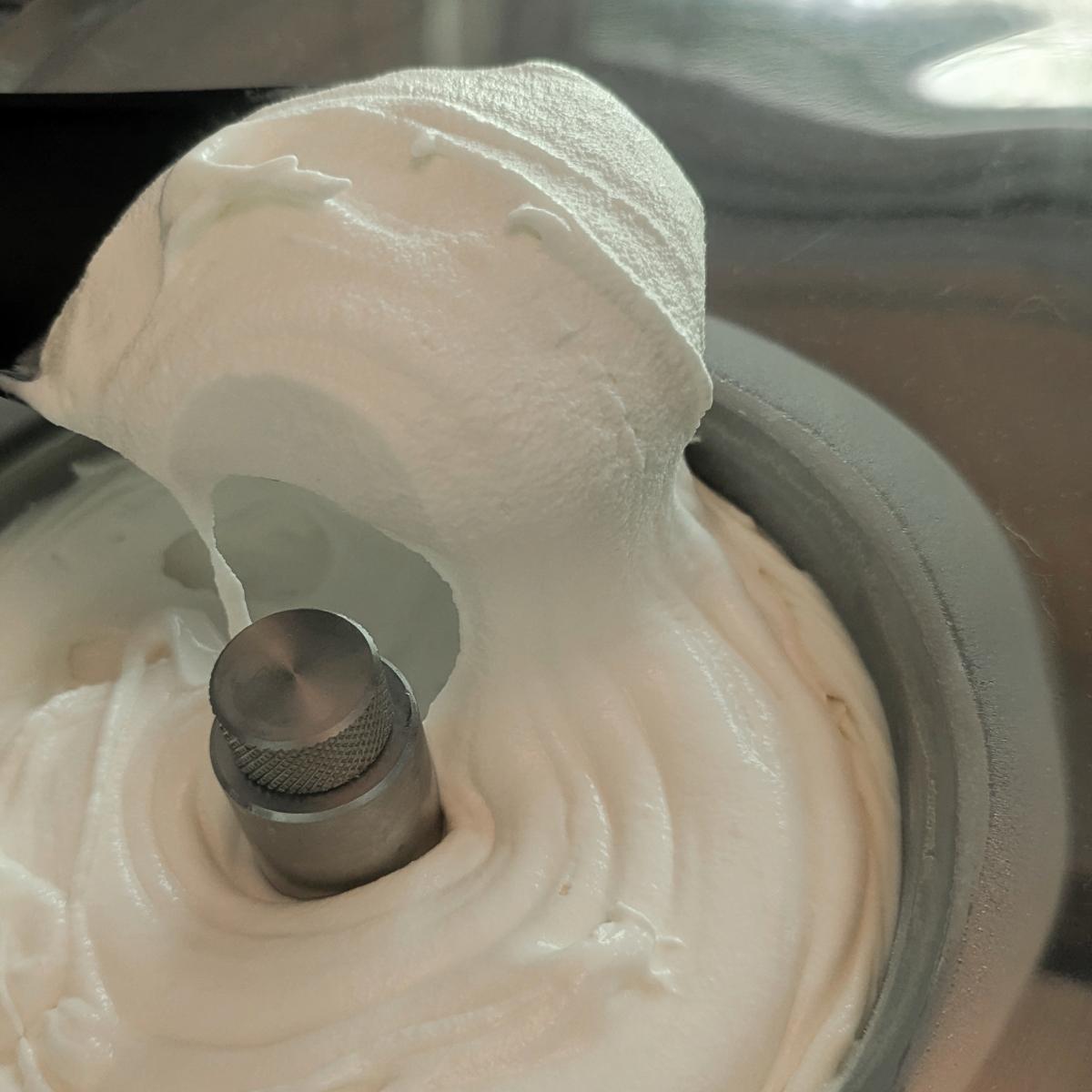
Ice cream base starts as a liquid. As the dasher spins, it beats in air at the same time the mixture is freezing. That air is what turns a dense, frozen liquid into something light enough to actually scoop. Overrun is simply a way of describing how much of that air ended up in your finished ice cream, measured as the increase in volume compared to what you started with.
How I Track Ice Cream Overrun (No Science Required)
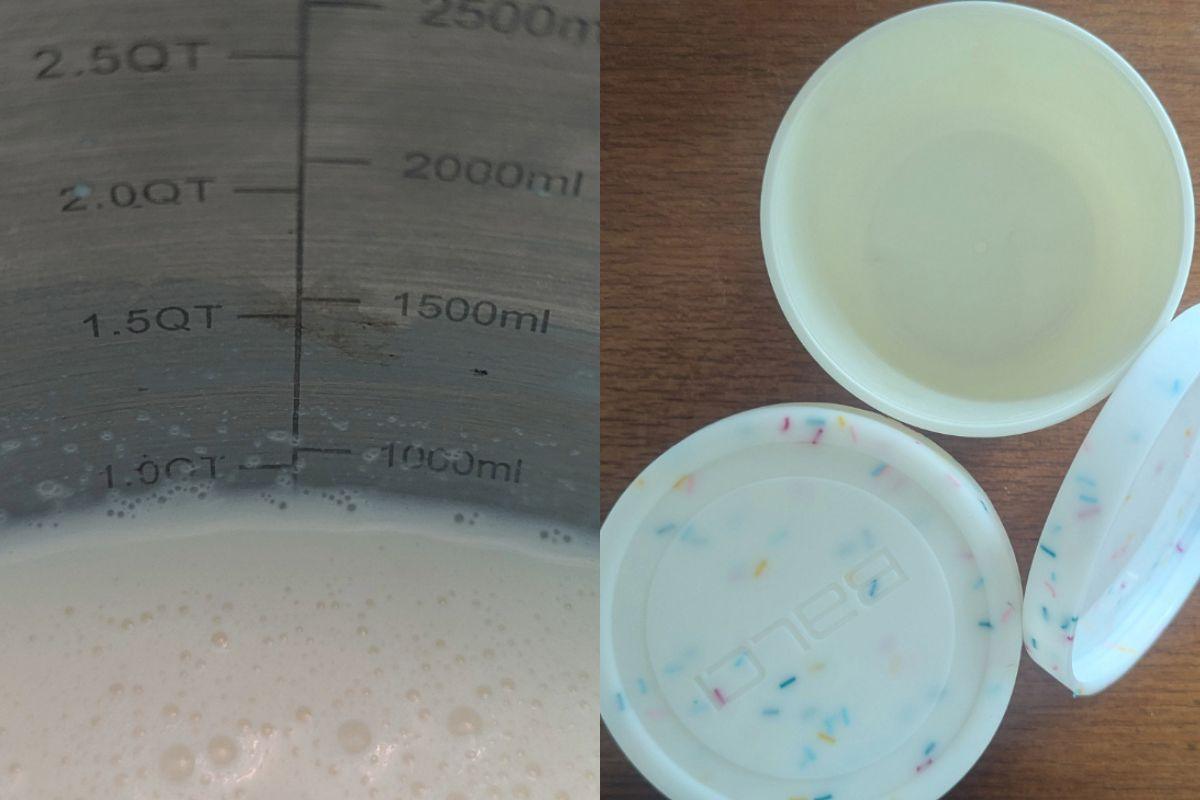
I don’t measure overrun the “correct” way, with a scale and a calculator. I just pay attention to two numbers: how many quarts of base I poured into the machine, and how many pints of finished ice cream I scooped out at the end. That’s it. For example, if a quart of base (which is 2 pints, for reference) reliably gives me around 2.5–3 pints of finished ice cream, I know I’m getting a moderate amount of air worked in. If I’m only pulling closer to 2 pints, my churn is under-aerating. If I’m somehow well past 3, something (usually a very high-fat, well-emulsified base) is trapping a lot more air than usual.
You don’t need to know the exact percentage to use this. Once you’ve made the same recipe a few times, the quarts-in-to-pints-out ratio becomes a really useful gut check for whether a batch texture turned out the way you expect.
Why Overrun Matters for Texture (Not Just Volume)
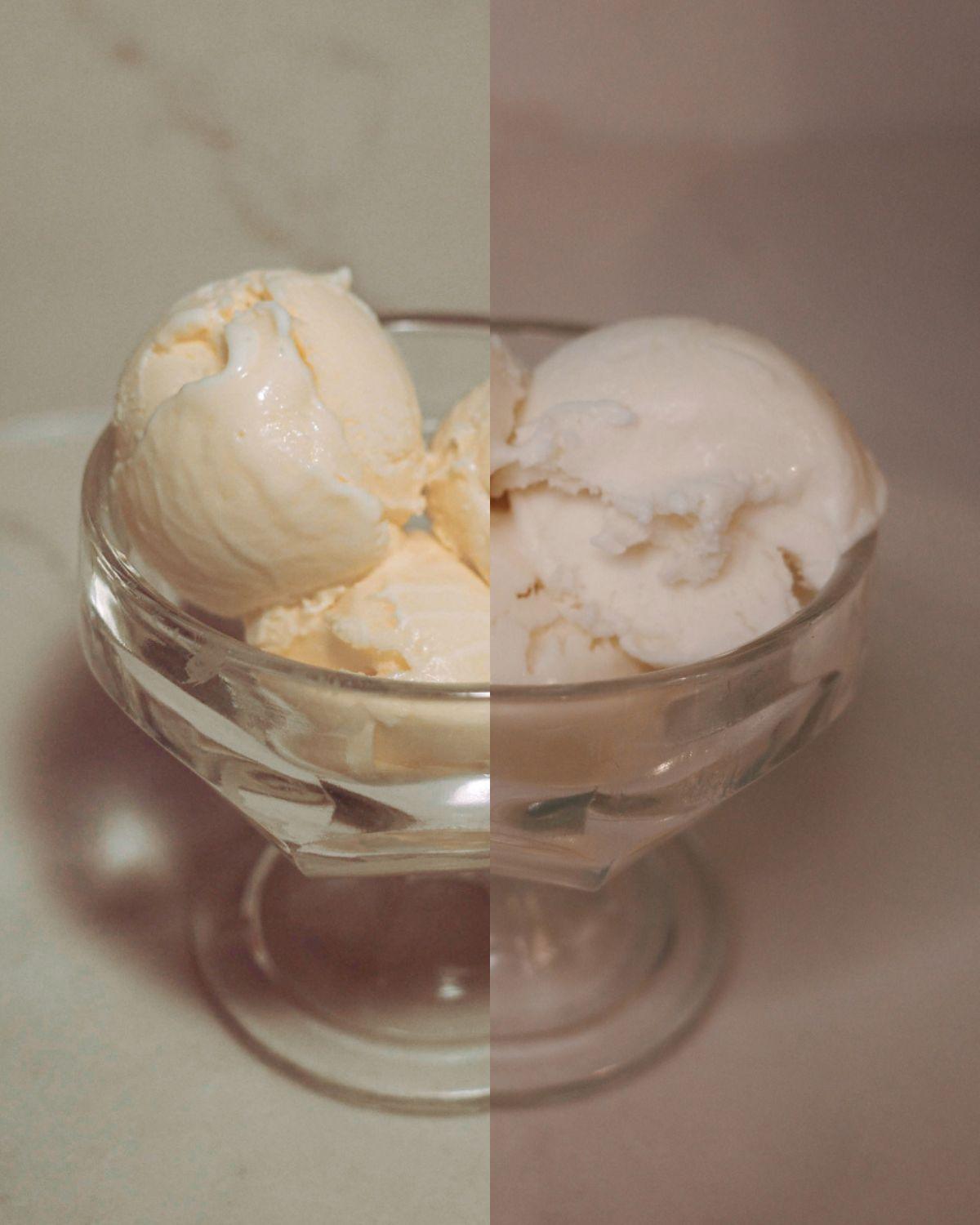
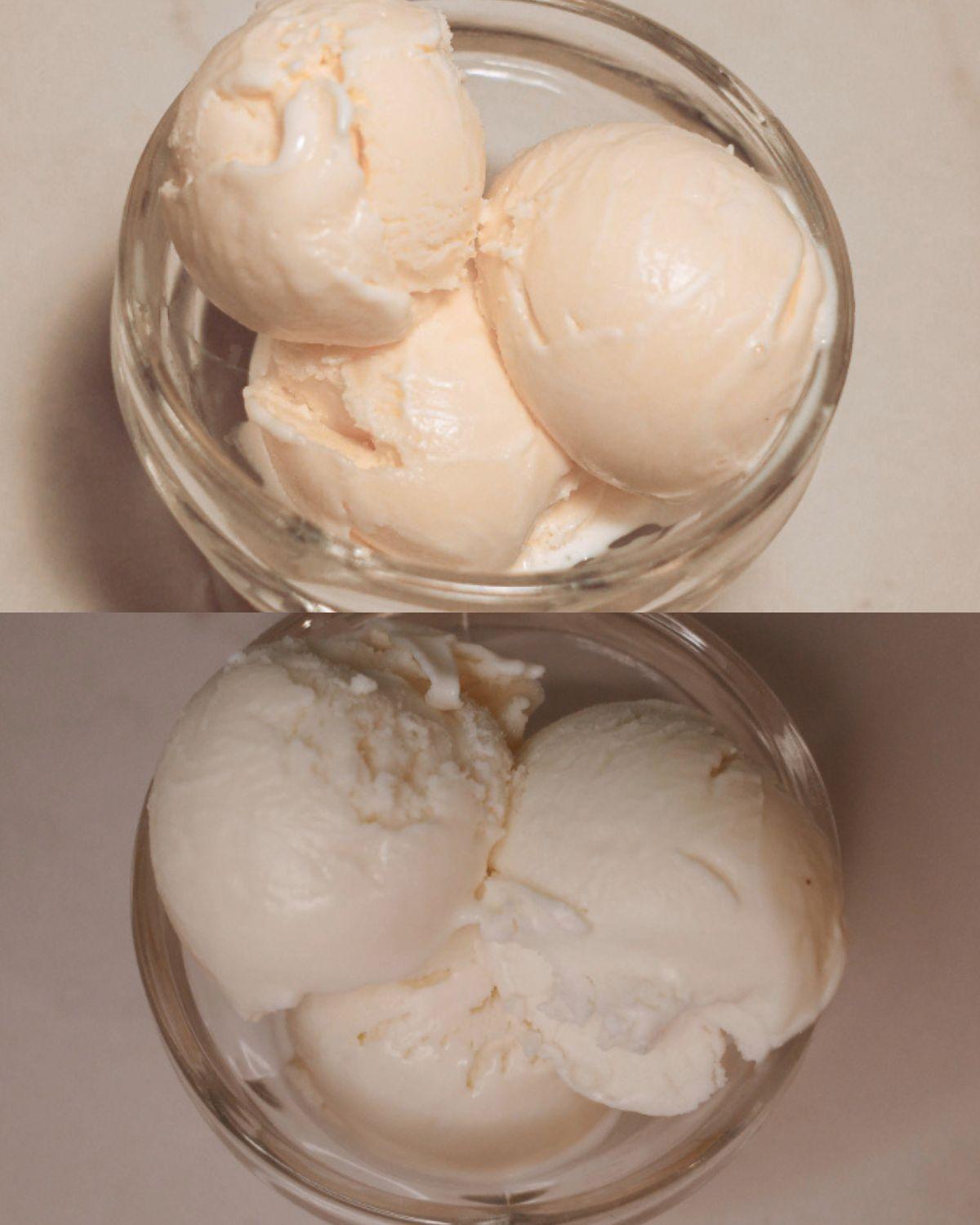
Overrun isn’t just about how much ice cream you end up with. It’s a huge part of what your ice cream feels like in your mouth. More air worked in means a lighter, fluffier texture, closer to soft serve. Less air means something denser and richer, closer to what you’d expect from a scoop shop’s “premium” pint.
Neither texture is more correct than the other. It’s a style choice and up to personal preference. But it explains a few things that confuse a lot of home churners:
- Why the same recipe can taste “heavier” or “lighter” from batch to batch, even when nothing else changed.
- Why cheap grocery store ice cream can feel almost foamy, while a small-batch pint feels dense and rich for the same amount of scoop.
- Why over-filling your machine (more than it can properly aerate) or under-churning can both throw off the result in different directions.
What a Normal Overrun Range Looks Like
Commercial ice cream makers talk about overrun in percentages, and the ranges vary a lot depending on the style. Dense, premium-style pints tend to sit on the low end. Standard grocery-store tubs sit in the middle. And soft serve sits way up on the high end, since it’s designed to be light and fluffy.
For home churning, without any pressurized air injection, you’re almost always going to land closer to the “premium” side of that spectrum than the soft serve side, simply because a home machine can only whip in as much air as the dasher speed and your base’s fat content will allow. That’s actually a good thing and part of why homemade ice cream often tastes richer than a supermarket pint, even with a simple recipe.
What Affects How Much Air Gets Worked In
A few things determine where you land on that quarts-in-to-pints-out overrun scale:
- How cold your base is going in. A colder base holds air better as it churns, so a properly chilled base tends to trap more air than one that went in too warm.
- How long you churn. Air gets incorporated throughout the churning process, but there’s a limit. Pushing past the soft-serve stage doesn’t add more usable air; it just adds ice crystals. This is the exact reason churning time and overrun are so closely linked.
- Fat content. A richer base (more cream, less milk) can hold air more stably than a leaner one. This is part of why richer recipes often feel dense and creamy rather than airy, even when a decent amount of air got worked in.
- How full your machine is. An overfilled bowl has nowhere for the aerating mixture to expand into, which is exactly why you don’t want to fill past about three-quarters full. The ice cream needs room to gain volume as it churns.
Signs Your Overrun Is Off
You don’t need a number to know when something’s not right. Here’s how you can tell:
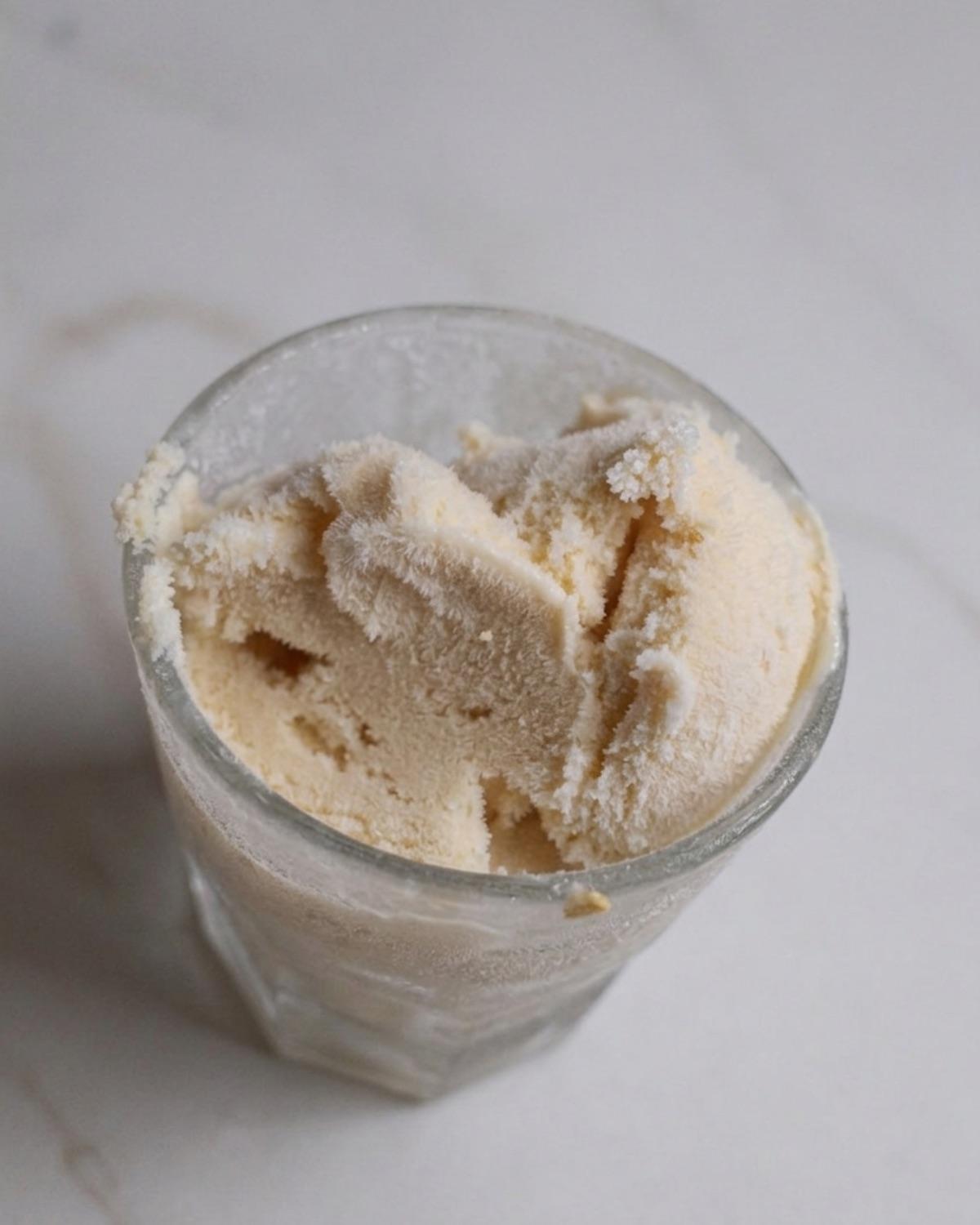
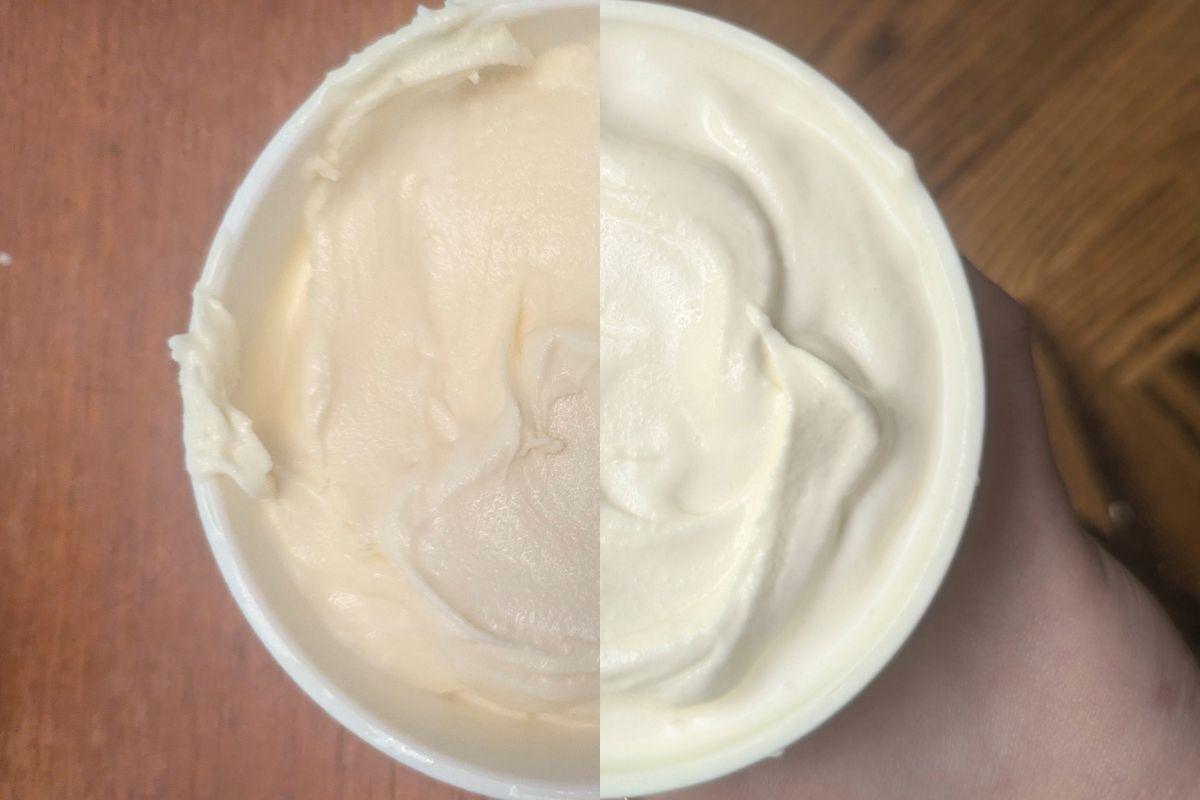
- Too little air: The finished ice cream feels heavy and dense straight out of the freezer, almost like a frozen block rather than something scoopable. Your quarts-in-to-pints-out ratio will look close to 1:1.
- Too much air: The ice cream feels foamy, melts unusually fast, and can taste weaker, even if you didn’t change a single ingredient. Your ratio will run noticeably higher than usual for that recipe.
Once you’ve made a recipe enough times to know its normal ratio, any batch that comes out far outside that range is a good signal to check your base temperature or churn time next time around, rather than assuming the recipe itself is the problem.
How to Fix Overrun That’s Off
Here’s how to fix ice cream that’s too dense or too foamy:
| If your ice cream is… | Try this |
|---|---|
| Too dense, not enough air | Chill the base fully overnight before churning. Even slightly warm base won’t aerate well. |
| Double check your freezer bowl was frozen completely solid beforehand (canister machines). | |
| Churn a few minutes longer, as long as it hasn’t hit soft-serve yet. You may have just stopped a touch early. | |
| If it happens every time with the same recipe, check whether the base is unusually heavy on egg yolks or low on liquid. | |
| Too airy, foamy, or melts fast | Stop churning as soon as it hits soft-serve. Extra time adds ice crystals, not usable air. |
| Check you’re not overfilling the bowl and over-churning at the same time. | |
| If it’s recipe-specific, try upping the fat content slightly. Richer bases hold air more stably. | |
| Let it fully harden in the freezer before judging. The texture can tighten up after a few hours. |
The quickest fix, either way, is usually consistency: chill your base the same way every time, churn to the same texture cue instead of a fixed time, and fill the bowl to the same level. Once those three things are locked in, your quarts-in-to-pints-out ratio should land in roughly the same place batch after batch.