Last Updated on June 13, 2026 by Samantha Marceau
If you’ve been making ice cream at home for any length of time, you’ve probably hit this wall: you plan out a batch, realize you forgot to freeze the bowl the night before, and either wait 24 hours or make something else. Or you make two flavors back to back, and the second one never quite comes together because the bowl wasn’t cold enough anymore. That wall is exactly why compressor ice cream makers exist and why, once you try one, it’s very hard to go back.
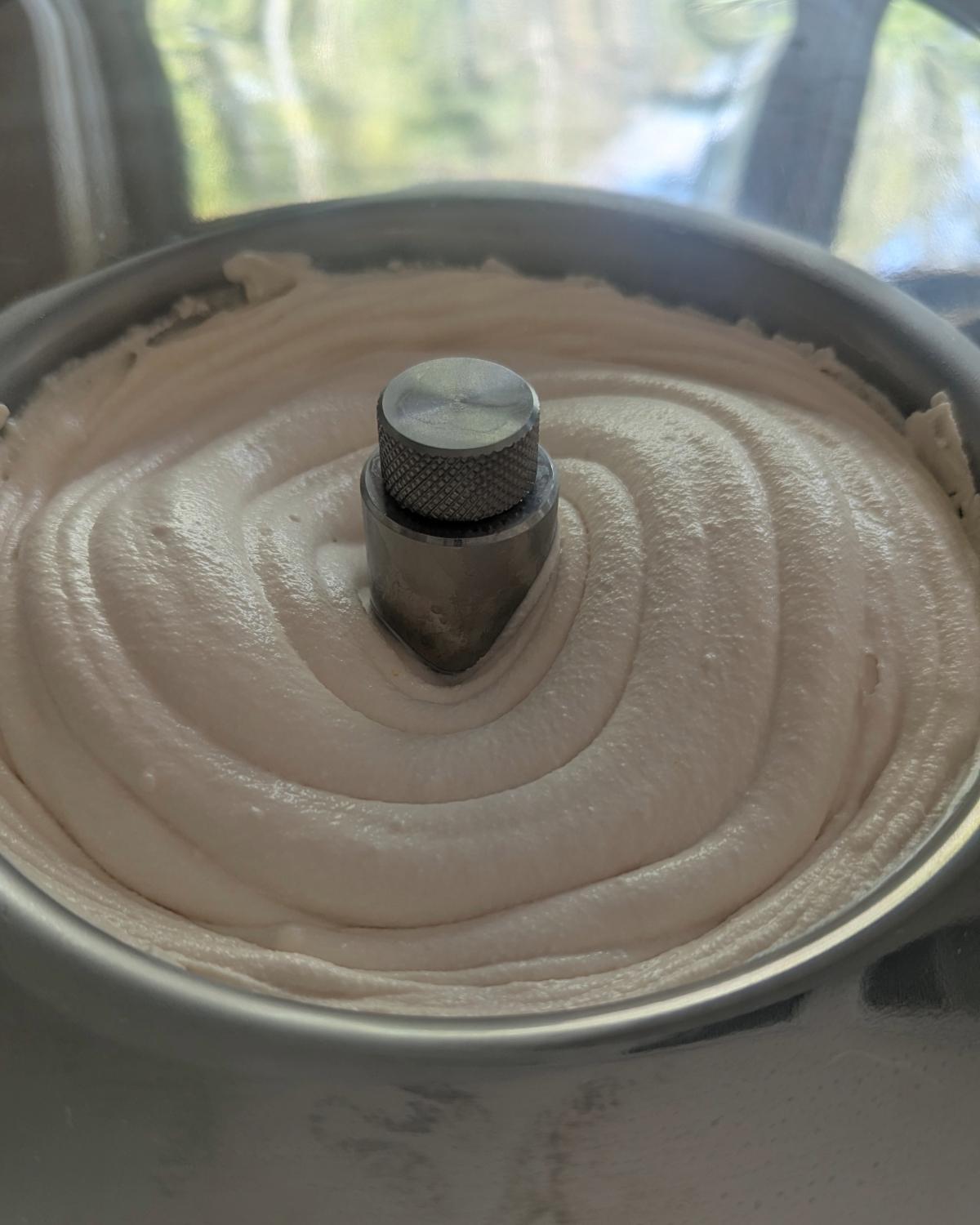
What is a Compressor Ice Cream Maker?
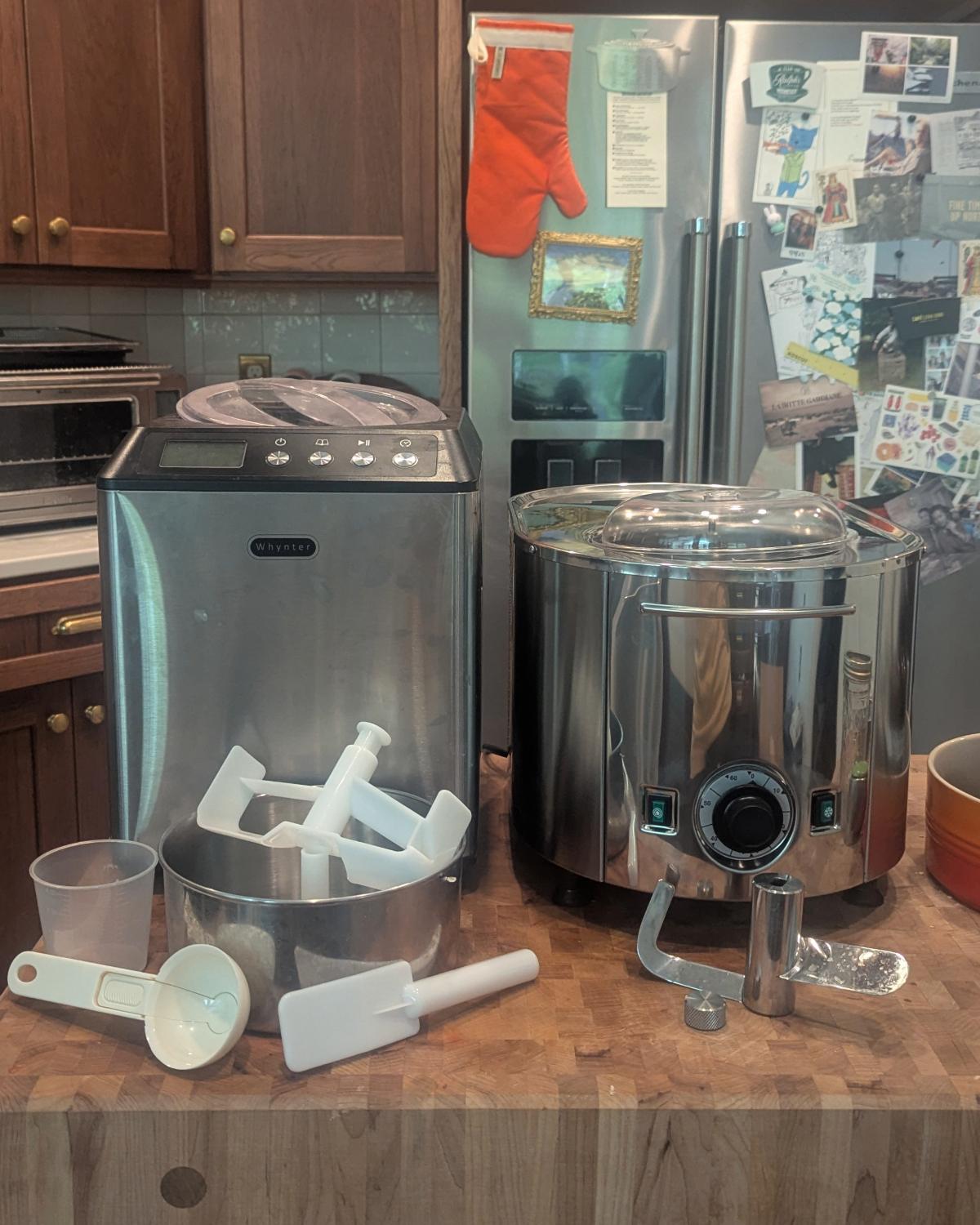
A compressor ice cream maker is a self-contained unit with a built-in refrigeration system—the same basic technology that cools your refrigerator or freezer, just miniaturized and pointed at a bowl of cream and sugar. You pour in your base, press a button, and the machine freezes and churns it simultaneously. No pre-freezing, no planning ahead, and no second bowl required (unless, of course, you want one).
The alternative—and what most people start with—is a bowl-freeze ice cream maker. These are the kind with a double-walled bowl filled with a coolant that you freeze overnight (or for at least 16–24 hours) before churning. They work, and they can make great ice cream, but they require a bit of advanced planning and can only do one batch per freeze cycle. If you want a second flavor, you need either a second bowl or another overnight wait.
Compressor machines have none of those limitations. They’re ready when you are.
How Does a Compressor Work?
Without getting too deep into refrigeration theory, the machine runs a refrigerant through a compressor and evaporator coil that surrounds the mixing bowl. This pulls heat out of your ice cream base while the paddle churns it, incorporating air and keeping the mixture moving so it freezes evenly rather than into a solid block.
The Continuous Refrigeration Loop
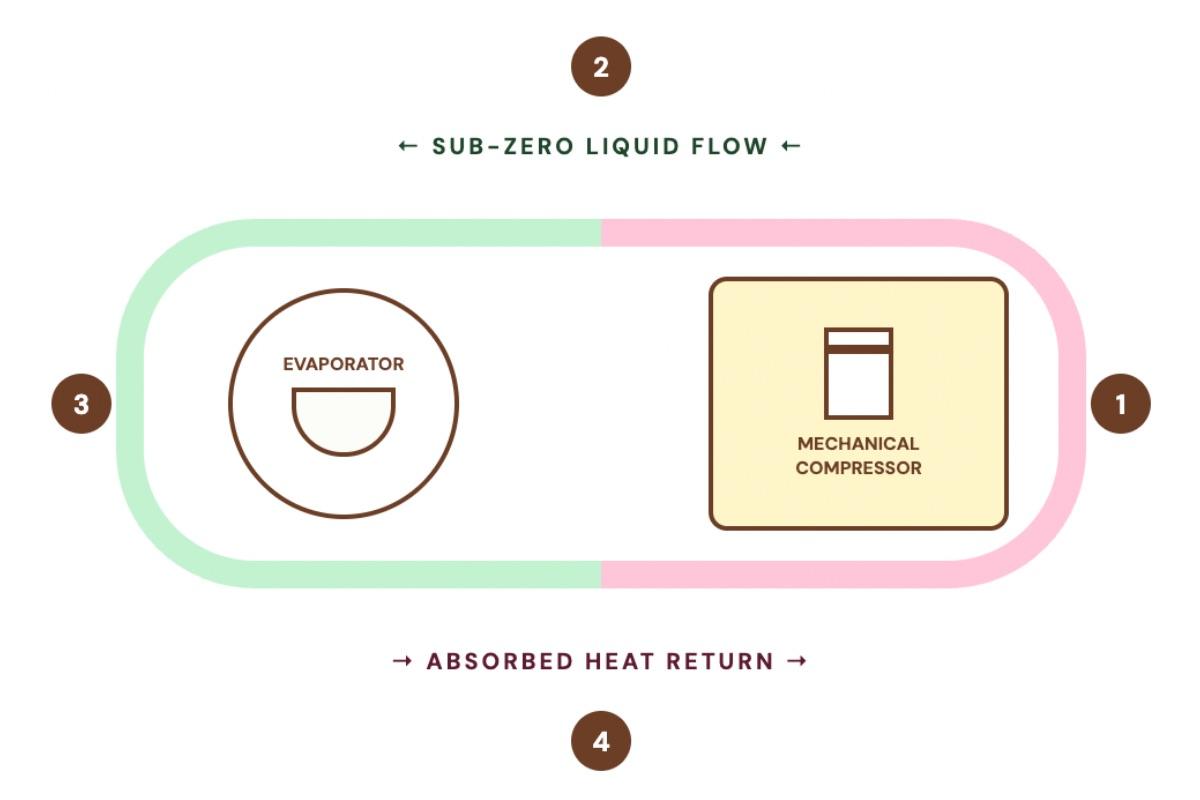
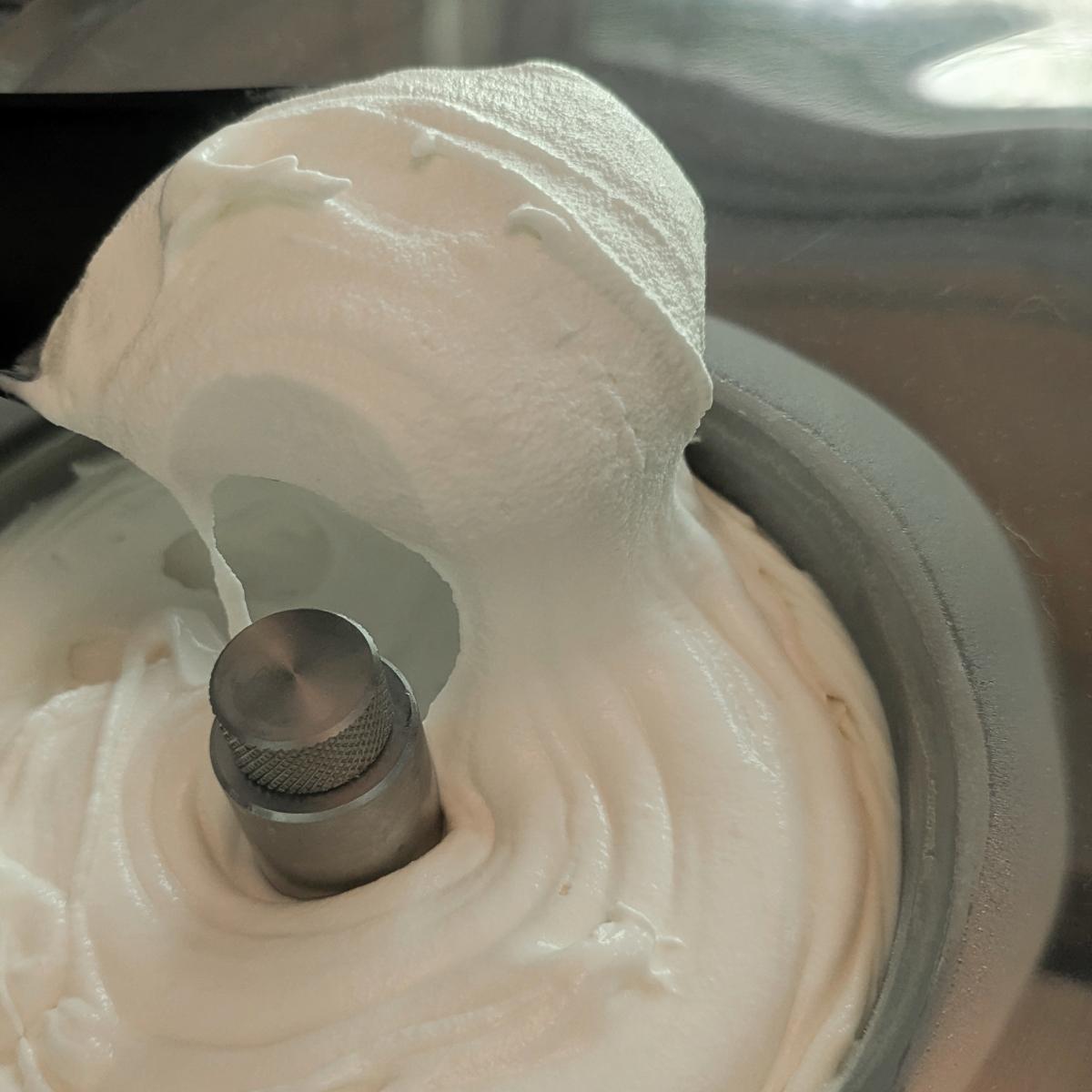
The result is ice cream that goes from liquid base to soft-serve consistency in roughly 25–45 minutes, depending on your recipe, your machine, and how cold your base was going in. From there, it goes into the freezer to harden, a process called "hardening" that takes a few hours.
What Makes a Compressor Machine Worth It
The no-pre-freeze thing sounds like a small convenience until you actually experience it. It changes how you think about making ice cream entirely. You stop treating it as a project that requires 24 hours of advance planning and start treating it like cooking (something you can decide to do today).
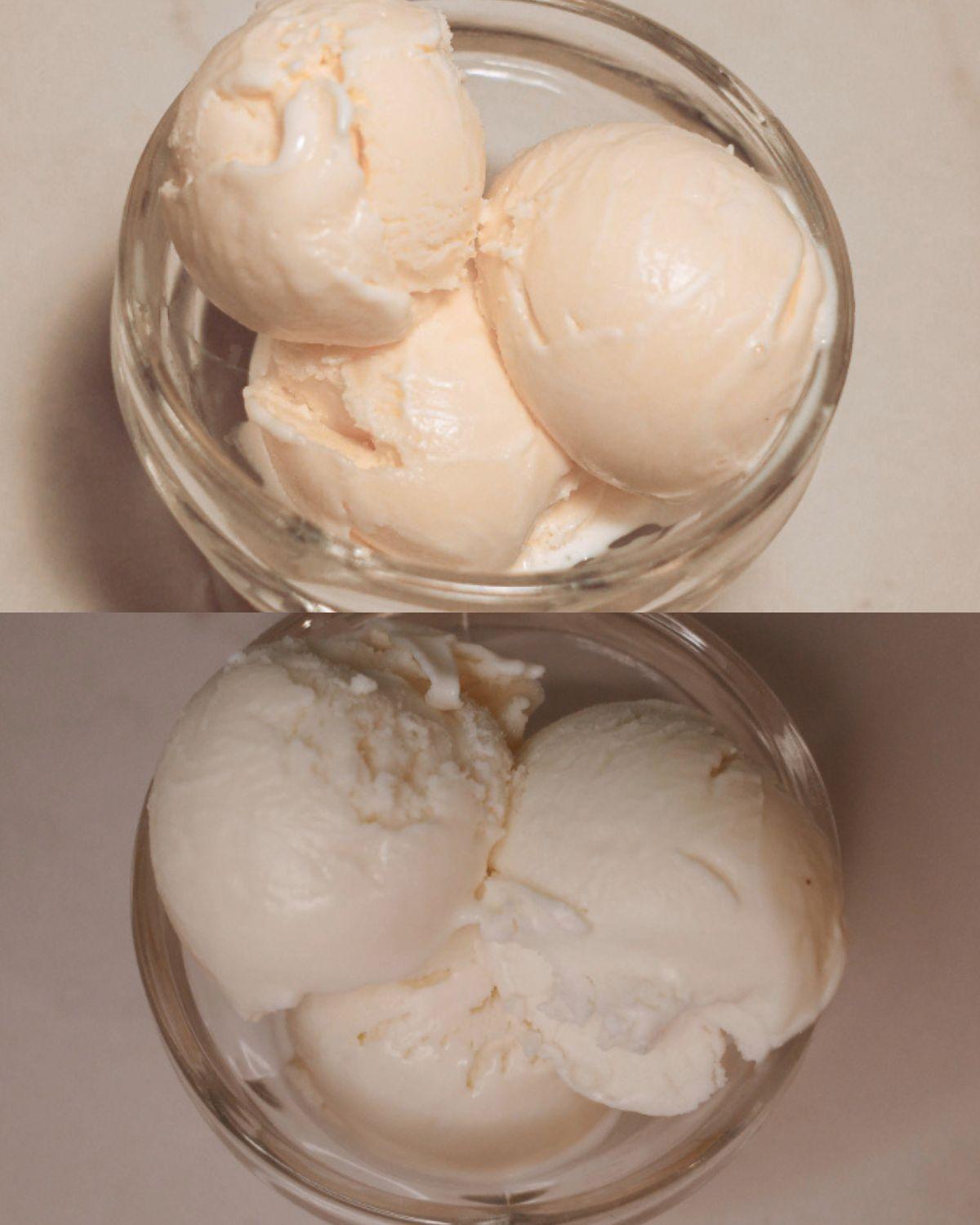
Beyond spontaneity, because the machine generates its own cold consistently throughout the churn, the results are more predictable. Bowl-freeze machines start cold and gradually warm up as the session goes on. Compressor machines don't. That consistency shows up in the texture of your finished ice cream. It's smoother, more even, less prone to icy patches.
If you're the kind of person who wants to test recipes, adjust ratios, or run back-to-back batches on a Saturday afternoon, a compressor machine fits that workflow in a way a bowl-freeze simply doesn't. It's the difference between a tool that enables experimentation and one that requires scheduling it.
The Trade-Offs
A compressor machine is an investment in more than one sense, and it's worth knowing what you're signing up for:
- Price. A decent compressor machine starts around $300–400 and goes up from there. Compared to $50–80 for a bowl-freeze unit, it's a real commitment that only makes sense if you'll actually use it regularly.
- Size and weight. These machines are heavy (often 20–40+ pounds), and they take up permanent counter space. This isn't an appliance you'll tuck away in a cabinet between uses.
- Noise. The compressor makes noise while it runs. Not loud enough to talk over, but you'll definitely know it's on.
- Electricity. Compressor machines draw significantly more power than bowl-freeze units. Not a dealbreaker for most people, but worth knowing.
None of these are reasons not to buy one. They're reasons to buy one knowing what you're getting.
What to Look For When Buying an Ice Cream Maker
Bowl Capacity
Most home compressor machines land in the 1–2 quart range. However, keep in mind that you should never fill the bowl to the brim with liquid base. You need to leave room for overrun (the air that gets incorporated during the churn). A good rule of thumb is to fill the bowl no more than halfway to two-thirds full to give the ice cream space to expand as it freezes. A machine rated at 1.5 quarts has a practical fill of about 0.75 quarts of liquid base. Keep that in mind when comparing specs.
Bowl Material: Removable vs. Fixed, Metal vs. Plastic
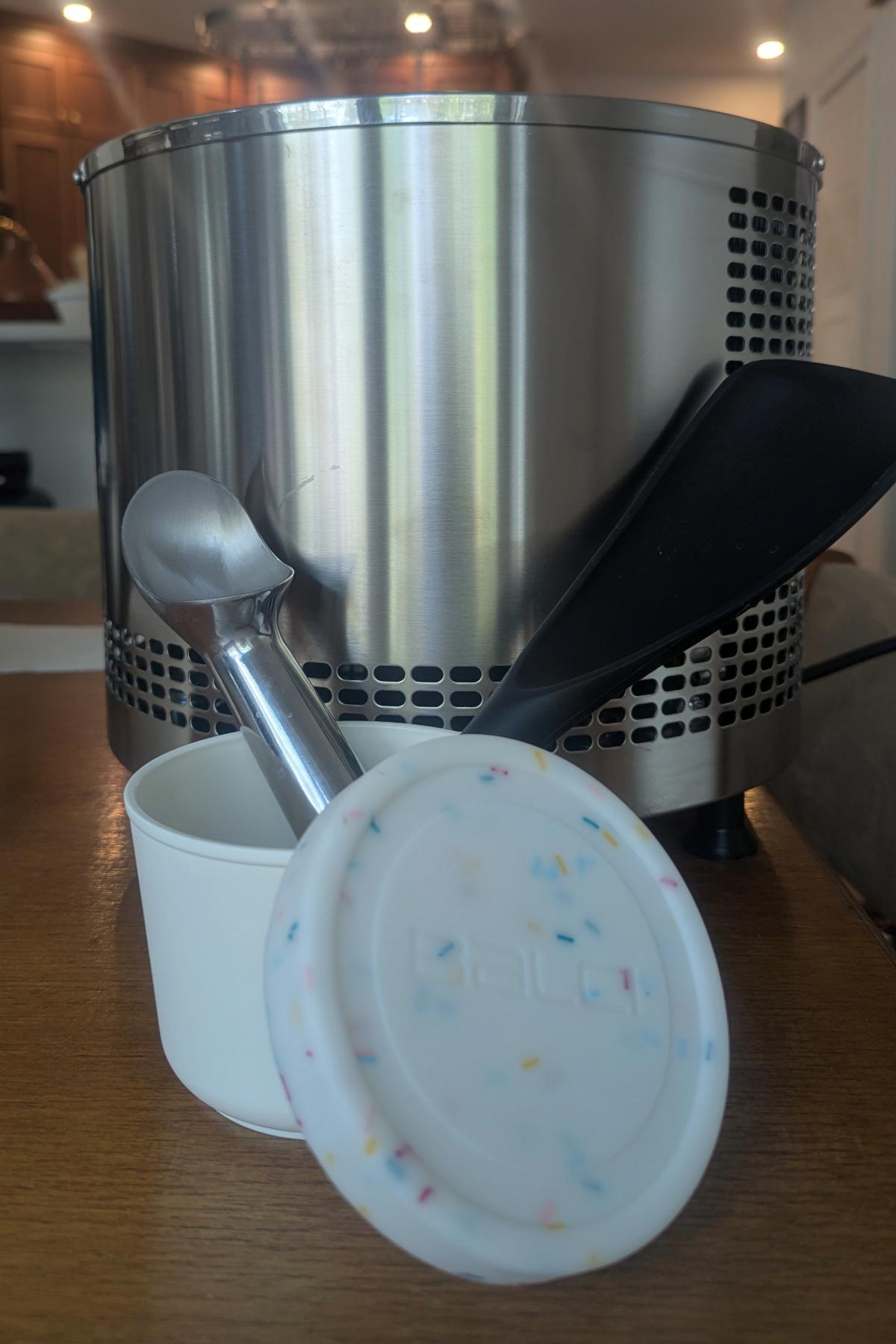
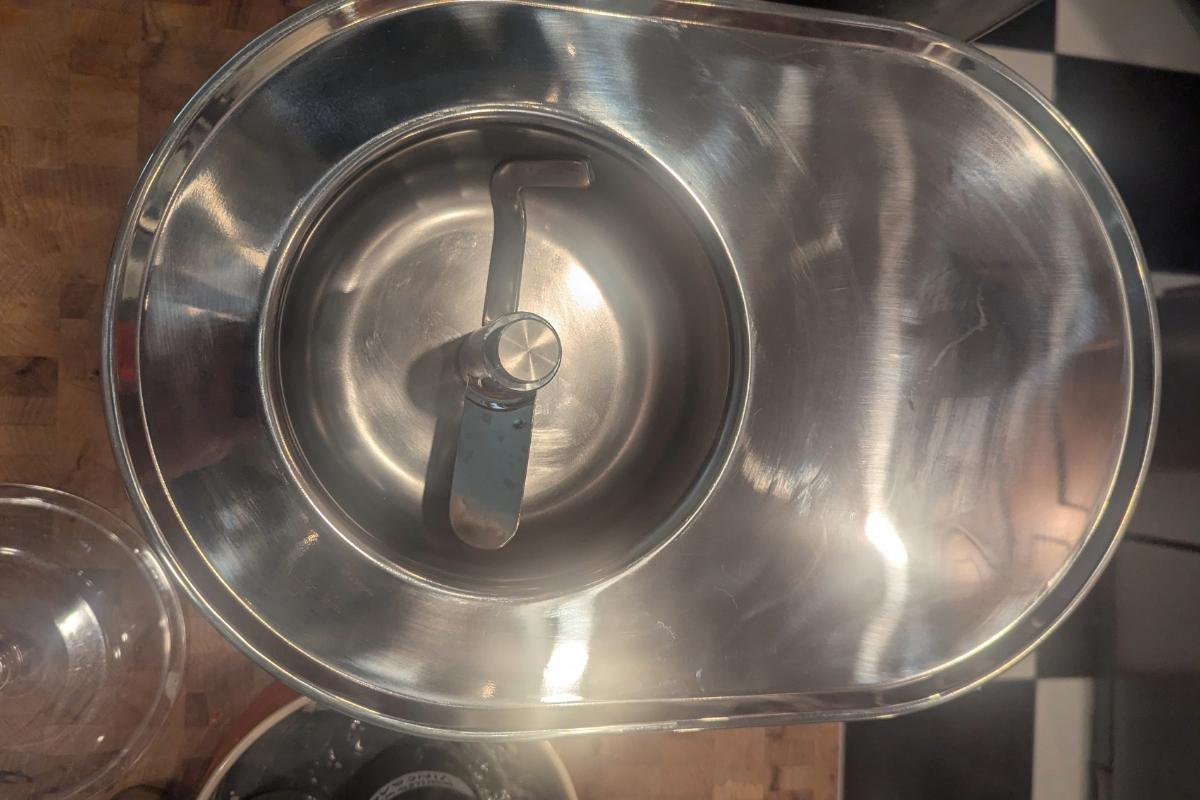
Stainless steel bowls conduct cold better than plastic and are more hygienic. Some machines have removable bowls (convenient for serving and easier to rinse), while others have fixed bowls that are part of the machine itself. Fixed bowls can actually be faster to clean when you have the right routine, and the thermal contact is better. I have a whole post on cleaning the Lello 4080's fixed bowl if you're curious what that looks like in practice. Paddle material matters, too—metal paddles outlast plastic ones and don't hold onto residue the same way.
Controls and Interface
Some machines are beautifully simple with just a dial and a couple of buttons. Others have LCD displays, multiple modes, timers, and hardness settings. Neither is inherently better; it depends on how much control you want. Simple controls mean you're learning to read the ice cream yourself; digital controls mean the machine manages more of the process. Know which kind of cook you are.
Timer and Auto-Shutoff
A built-in timer is useful. It means you can walk away without watching the clock. Even more useful is a motor protection feature that stops the paddle automatically if the mix freezes too solid, which protects the machine if you forget to check on it.
Noise Level
Hard to assess from a product listing, but worth reading reviews for. Compressor machines vary more than you'd expect on this front. If you have an open kitchen or thin walls, this matters.
Wattage
Higher wattage generally means faster pre-cooling and more powerful refrigeration, which is relevant if you're doing back-to-back batches or working with very cold-demanding bases like gelato. Most home machines run between 150–200 watts for the compressor system.
Should I Get a Compressor Machine?
A compressor machine is probably worth the investment. Here's how to know for sure.
- You make ice cream more than a few times a month
- Spontaneity matters to you (you want to make ice cream today, not tomorrow)
- You want to do back-to-back batches without waiting
- You're the kind of person who wants to learn the craft
- You make ice cream a handful of times a year
- You're just starting out and not sure if the hobby will stick
- Counter space and budget are tight
If you're in that second category, start with a bowl-freeze machine, get hooked (because you will), and then upgrade. There's no shame in that path; it's the one most serious home ice cream makers (including myself) took.
Which Compressor Machine Should You Buy?
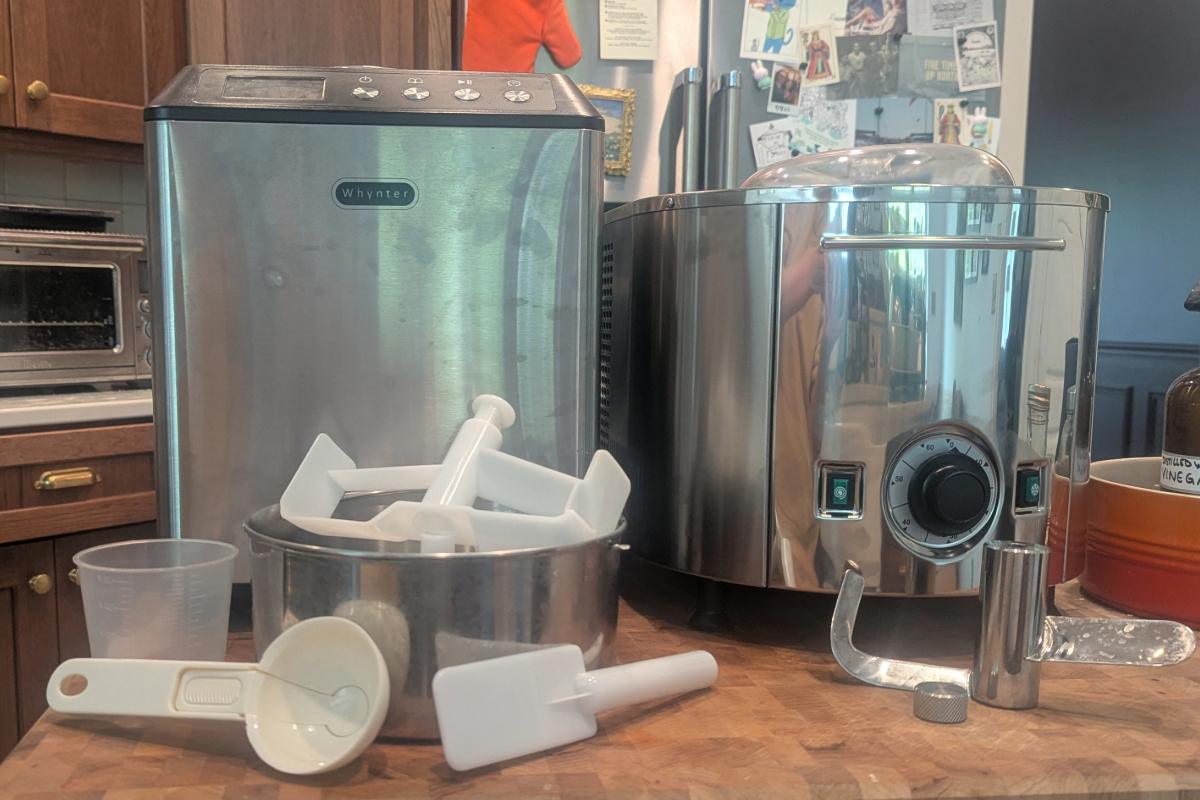
That's a bigger question than it looks, and the answer depends on your budget, how often you'll use it, and whether you care about analog simplicity or digital control. I've covered the four main machines—the Whynter ICM-201SB, Lello 4080, Breville Smart Scoop, and Cuisinart ICE-100—in detail over in my compressor ice cream maker comparison, including my hands-on experience with two of them. Start there once you've decided a compressor is right for you.
One More Thing: The Recipe Matters as Much as the Machine
Whatever machine you choose, the base recipe, the ingredients, the temperature of your mix going in, and how long you let it harden all matter as much as the hardware. A great recipe in a Whynter beats a mediocre recipe in a Lello every time.
If you haven't yet, my ice cream base ratio guide is the best place to start. It covers the fat, sugar, and dairy ratios that determine texture before the machine ever gets involved.