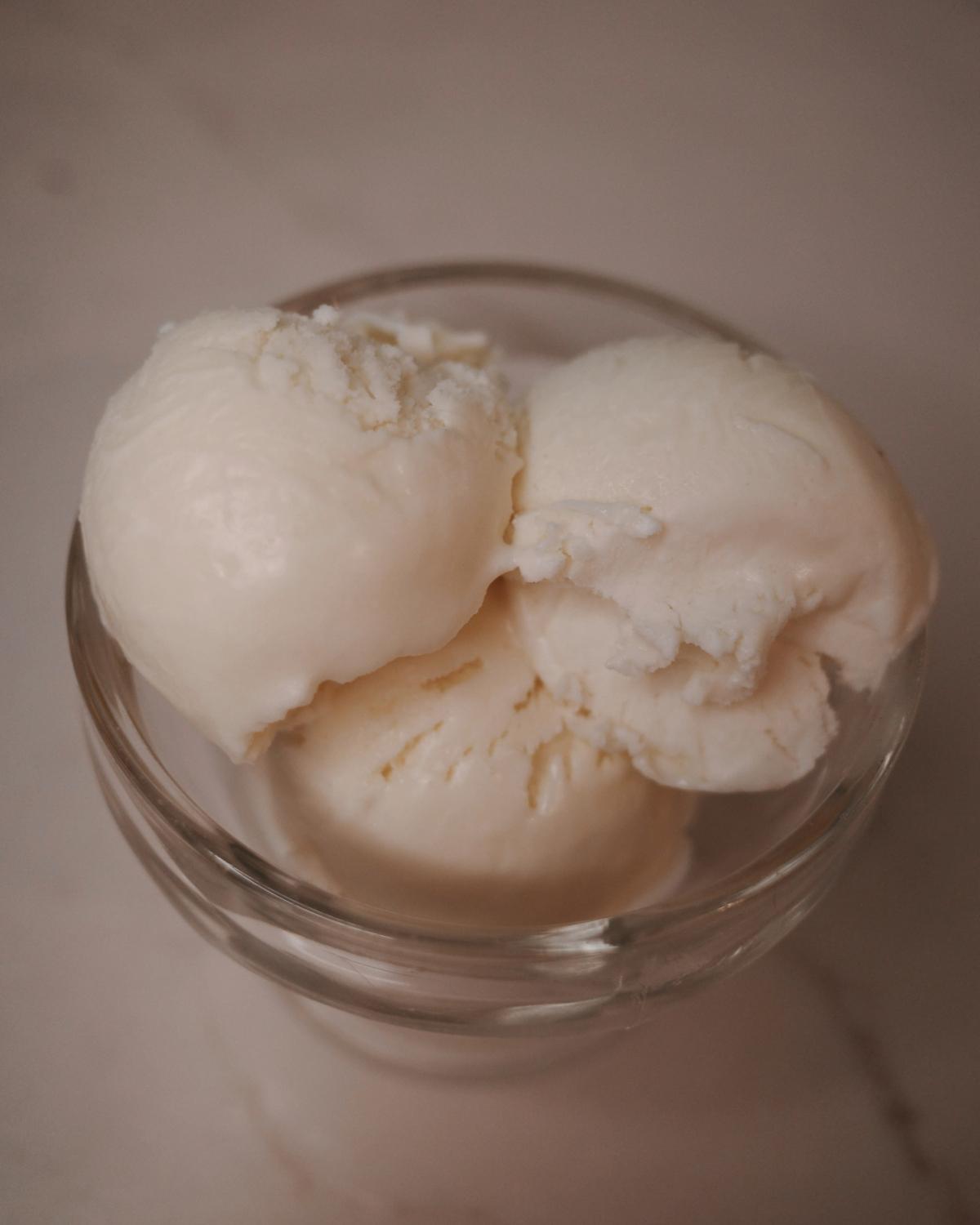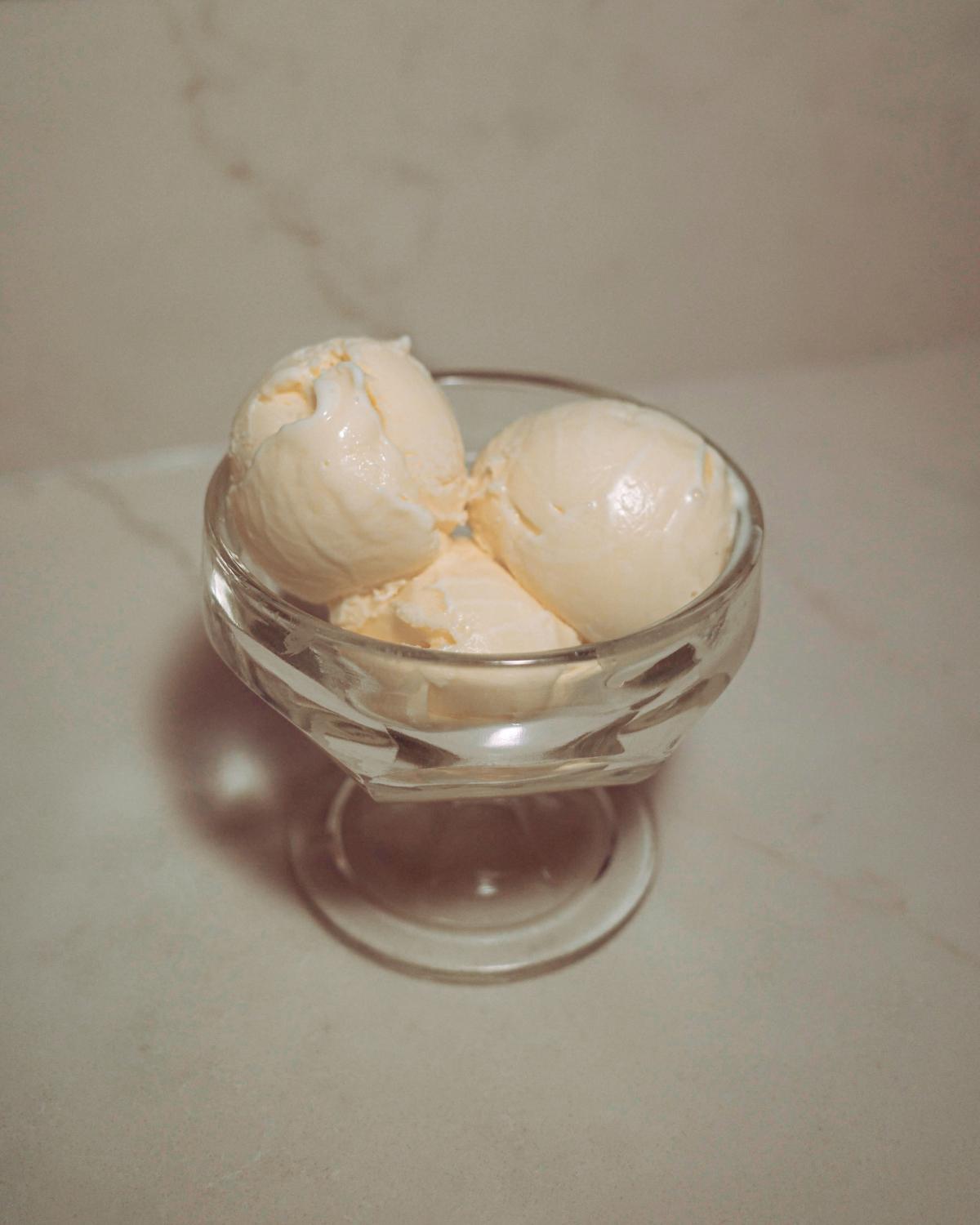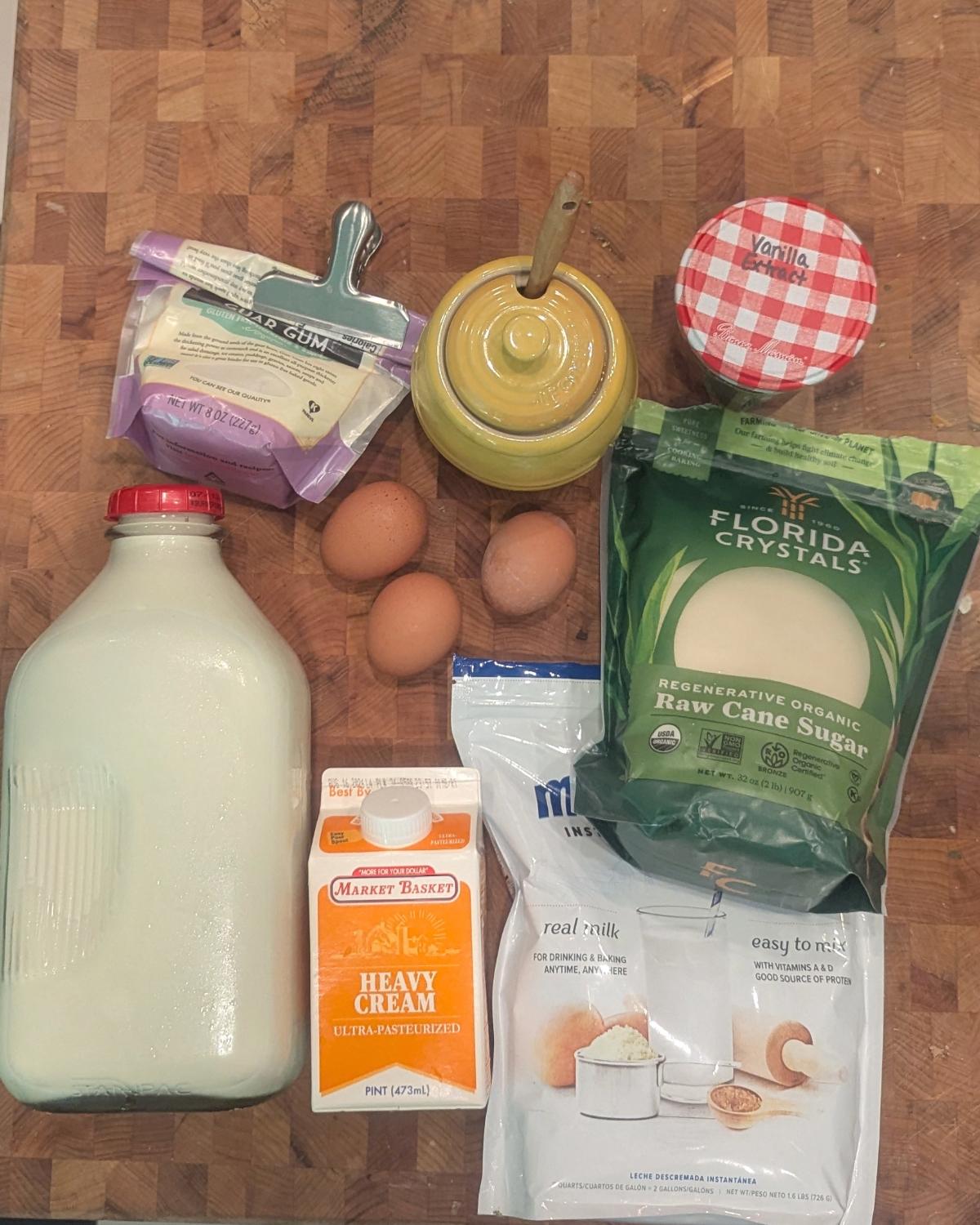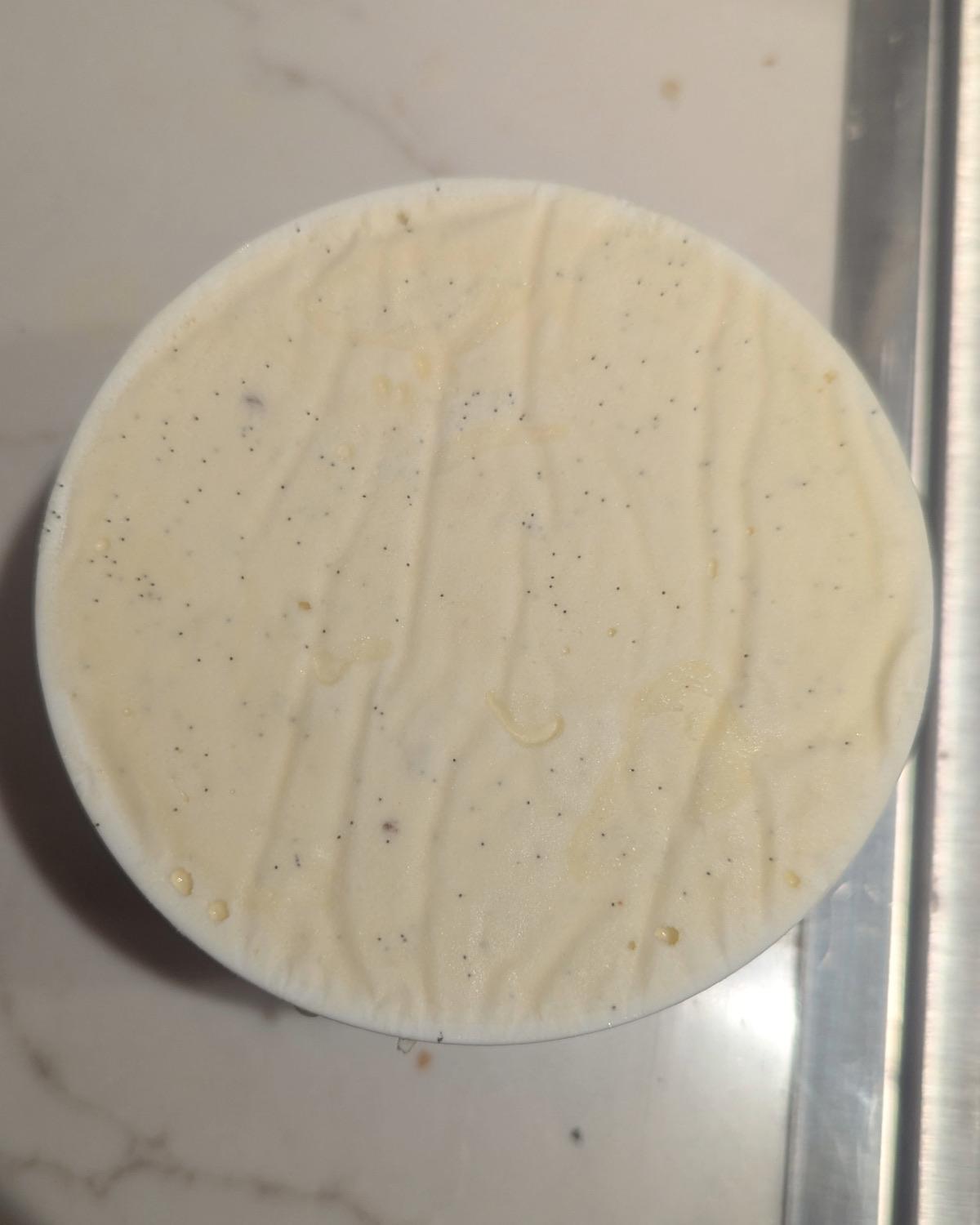
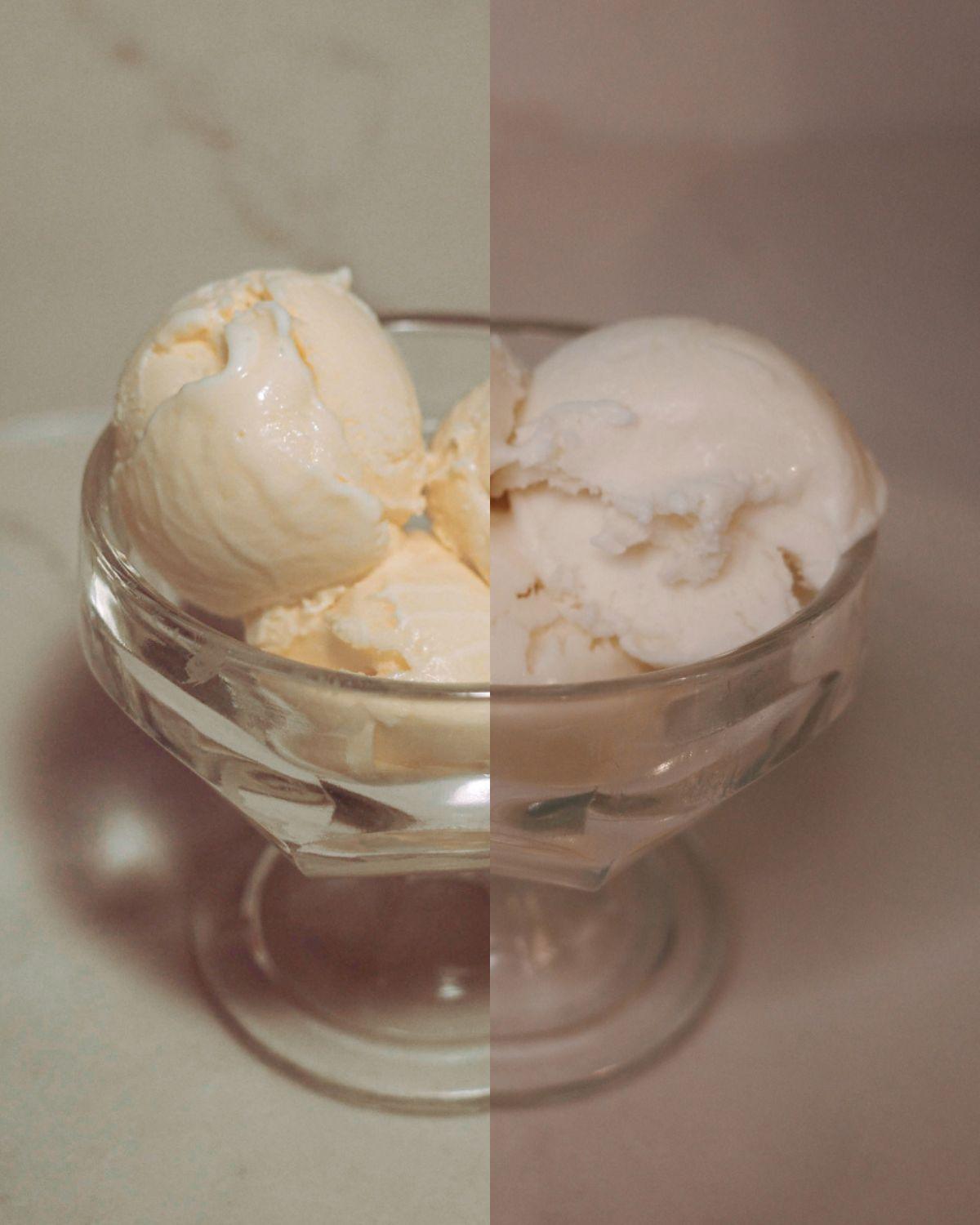
At its core, the difference between French vs. Philadelphia-style ice cream comes down to one ingredient: egg yolks. French-style ice cream is a cooked custard base with egg yolks, giving you something dense and rich. Philadelphia-style skips the eggs and the cooking step entirely, resulting in something lighter, fluffier, and a little sweeter. Both are good; they’re just good at different things. Below, I’ll break down exactly what separates them—texture, flavor, and how long each one holds up in your freezer—plus which one makes more sense for your homemade ice cream goals.
What’s the Difference Between Custard and Philadelphia-Style Ice Cream?
With a French ice cream base, you heat the base to temper the eggs and create an emulsified custard. It’s thick, rich, and churns into a denser ice cream. With Philly style (also called American ice cream), you eliminate the eggs (so there’s no need to pasteurize the base).
Sometimes, you’ll see American-style ice creams labeled as “French vanilla.” This label gets used for ice creams with real vanilla bean specks in them all the time, even though it’s inaccurate. What makes the vanilla “French” is the eggy custard, not the presence of bean pieces.
Here’s a closer look at how the two styles compare:
| Philadelphia-Style | French-Style (Custard) | |
|---|---|---|
| Ingredients | Heavy cream, whole milk, sugar, skim milk powder, guar gum, salt | Same base, plus egg yolks |
| Cooking Step | No cooking; whisk and chill | Cooked custard, tempered to 165°F |
| Total Fat | 13.72% | 16.10% |
| Sugar | 22.37% | 20.27% |
| MSNF | 12.73% | 11.01% |
| Water | 57.94% | 57.68% |
| POD (Sweetness) | 165.46 | 152.26 |
| Serving Temp | −14.25°F | −12.81°F |
| Stabilizers | 0.13% | 0.05% |
| Difficulty | Easy; no cooking and no curdling risk | Moderate; requires tempering |
Why Does the Texture Feel So Different?
Egg yolks don’t just add fat to a custard ice cream base. They also add lecithin, a natural emulsifier that binds fat and water together tightly. Without egg yolks, you’ll notice the total fat in Philly style ice cream dips by about 3%. It’s not a huge difference, but the bigger issue is the lecithin. Egg yolks are 8–10% lecithin by total mass, so you’ll need something that can replace those 3.3–4.2 grams.
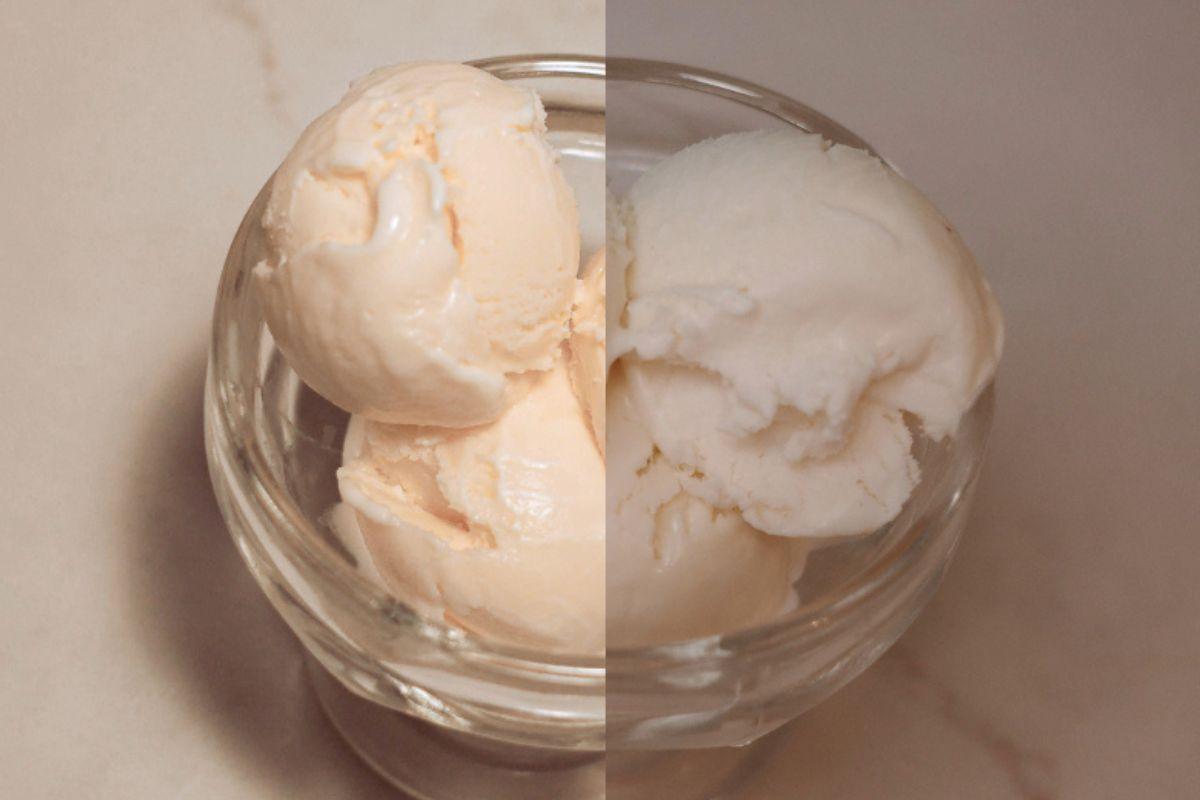
To get the same emulsifying power, we have to get creative with milk proteins and guar gum. They’ll do the job, but they’re not quite as effective as egg yolks, so the texture turns out noticeably different. Less bound fat and water means less structure holding the ice cream together, which is what actually makes it feel lighter on the tongue, rather than dense. But the benefit is that it also has a cleaner “milk” flavor, which lends itself better to delicate flavors like fruits and florals.
American-style ice cream will also be a bit softer right out of the freezer, but that’s by design. For my base recipe, I added a little extra sugar and guar gum so it wouldn’t go rock hard due to the lack of fat.
Does Egg Yolk Actually Change the Taste?
Yes, but not as much as you might think. For example, with a flavor like vanilla, the vanilla flavor itself doesn’t change, but the ice cream base flavor has an impact. A custard base has more fat to buffer the sugar, and so it reads less sweet and more indulgent. Philadelphia-style ice cream tastes milkier and lighter, but also sweeter. This is because it has both a bit more sugar and more skim milk powder. A POD (relative sweetness) of 165 compared to 152 isn’t a huge change, but it’s a change nonetheless.
Why Egg-Free Ice Cream Needs More Help from Stabilizers
You already know Philadelphia-style is missing the emulsifying help of egg lecithin. That’s why this base needs more than double the stabilizer—0.13% guar gum versus just 0.05% in the custard—to hold its texture in the freezer without turning out icy.
Which Holds Up Better in the Freezer?
Because a custard base has more fat and emulsifiers, it resists recrystallization for longer, meaning you can store it for longer. My custard recipe can last up to 6 weeks with its stabilizer in the mix. An unstabilized Philadelphia-style base holds for just a few days; this recipe’s 0.13% guar gum stretches that to about a month.
Which One Should You Make?
Which type of homemade ice cream you should make really depends on a few factors: time, texture, and flavor.
- Time: If you want ice cream ASAP, Philly-style wins every time. You don’t need to heat it, so there’s no need to wait for it to chill before churning. You can mix everything in a bowl and churn right away.
- Texture: If you prefer a rich, dense texture, go for French-style. For something lighter and closer to soft-serve, opt for Philly.
- Flavor: For delicate flavors like fruits and herbs, Philly wins. For rich and decadent flavors like chocolate and caramel, French takes the cake.