Last Updated on October 16, 2026 by Samantha Marceau
Homemade ice cream ingredients can be a rabbit hole, especially when a recipe calls for something you’ve never heard of. You make the trip to the store, spend the money, and the recipe still doesn’t turn out the way you hoped. Now you’re not sure whether the ingredient was the problem or something else entirely. And if you skipped that ingredient altogether and are left wondering whether it would’ve made a difference? This post is for you, too.
This isn’t an exhaustive list of every possible ingredient you’ll ever encounter making ice cream; it’s what I actually keep stocked. These are the ingredients I go through regularly, not things that end up forgotten at the back of my pantry. It’s a reference you can come back to any time you’re staring at a recipe wondering what something does or whether you actually need it.
What’s In Homemade Ice Cream?
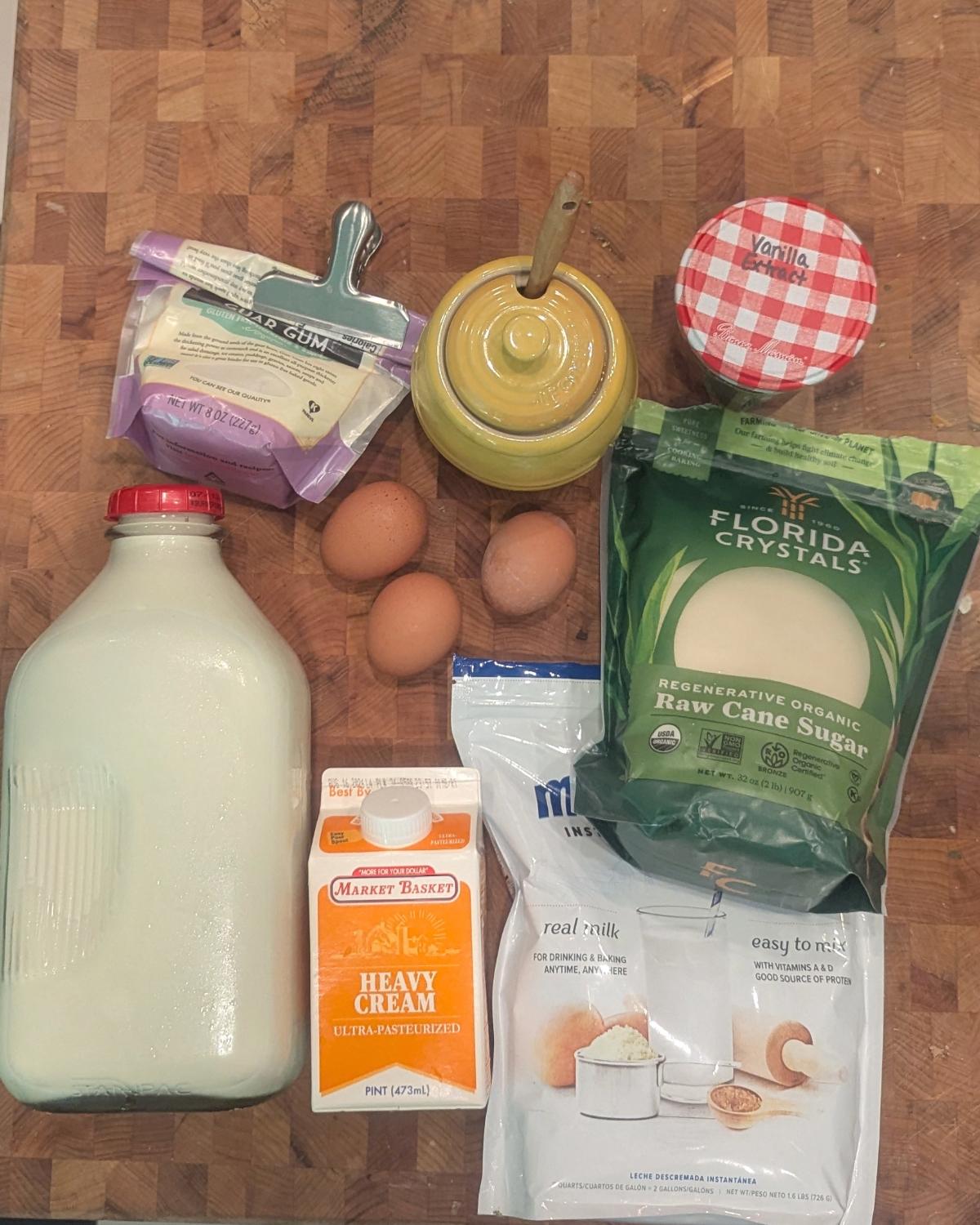
If you just need the list, here’s what goes into a proper homemade ice cream base:
- Heavy cream and whole milk: The dairy base, for fat and the right consistency
- Granulated sugar: Sweetens and helps control texture
- Egg yolks (optional): For a richer, custard-style base
- Skim milk powder: Boosts milk solids without adding water, for a creamier texture
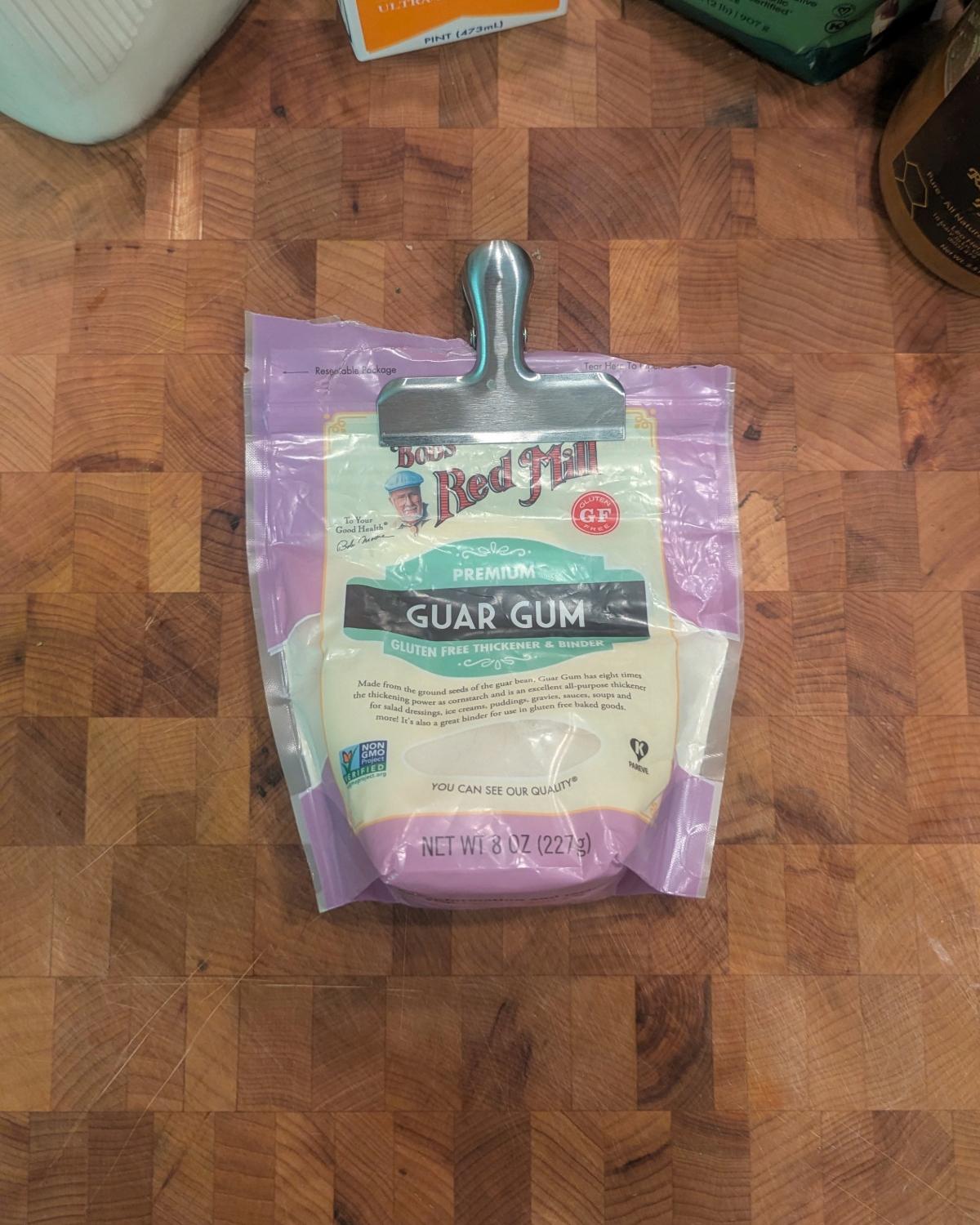
- A stabilizer like guar gum (optional): Slows ice crystal growth if you’re storing it more than a day or two
- Salt: A small pinch to sharpen every other flavor
Keep reading to find out what each one actually does, the brands I use, and when you can skip one.
Dairy Products
When it comes to homemade ice cream ingredients, dairy is arguably the most important category. It makes up the largest percent of the mix.
Heavy cream and whole milk
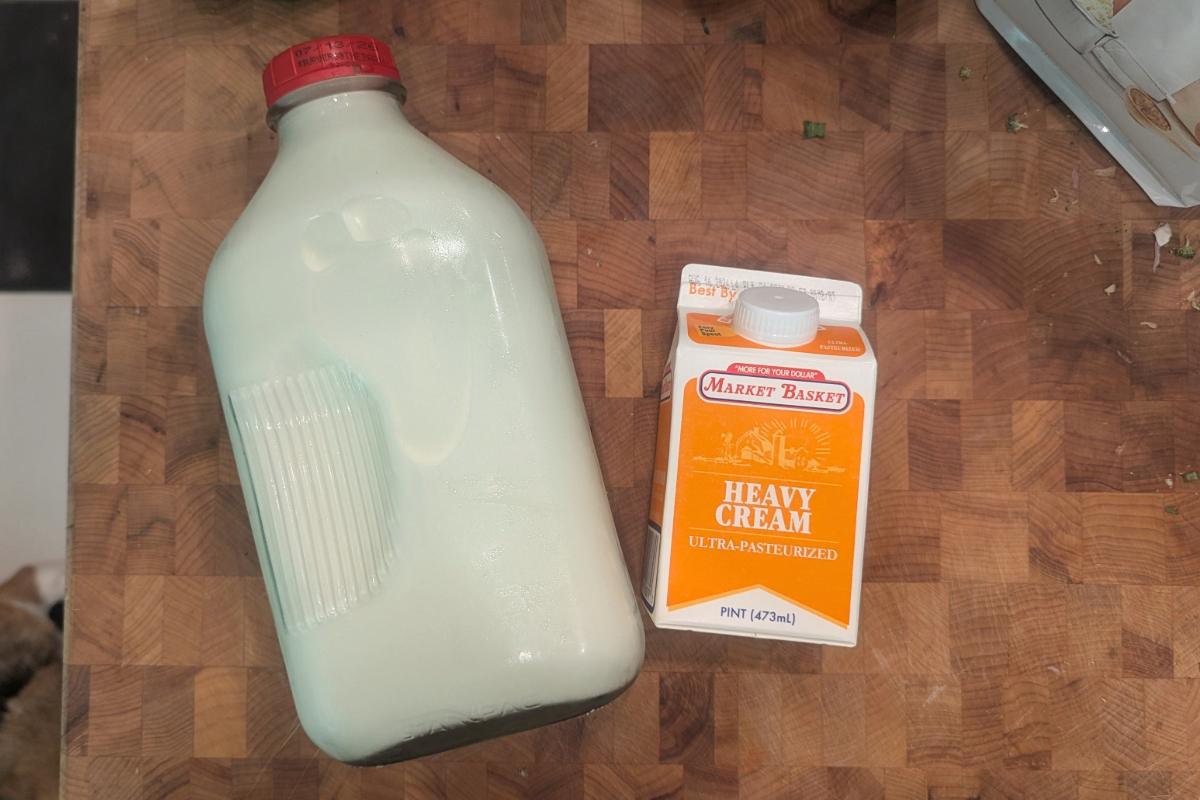
These two together form the base of almost every recipe on this site. Heavy cream provides fat, which is what gives ice cream its rich texture and smooth mouthfeel. Whole milk thins it out to the right consistency and adds water, which is necessary for the freezing process to work properly.
The ratio of cream to milk matters. If you go too far in either direction, you get ice cream that’s either greasy and dense or thin and icy. That’s a longer conversation, but the short version is: don’t substitute one for the other, and don’t use reduced-fat versions of either.
Skim milk powder
This is the homemade ice cream ingredient most home cooks have never heard of, and it’s the single biggest upgrade you can make.
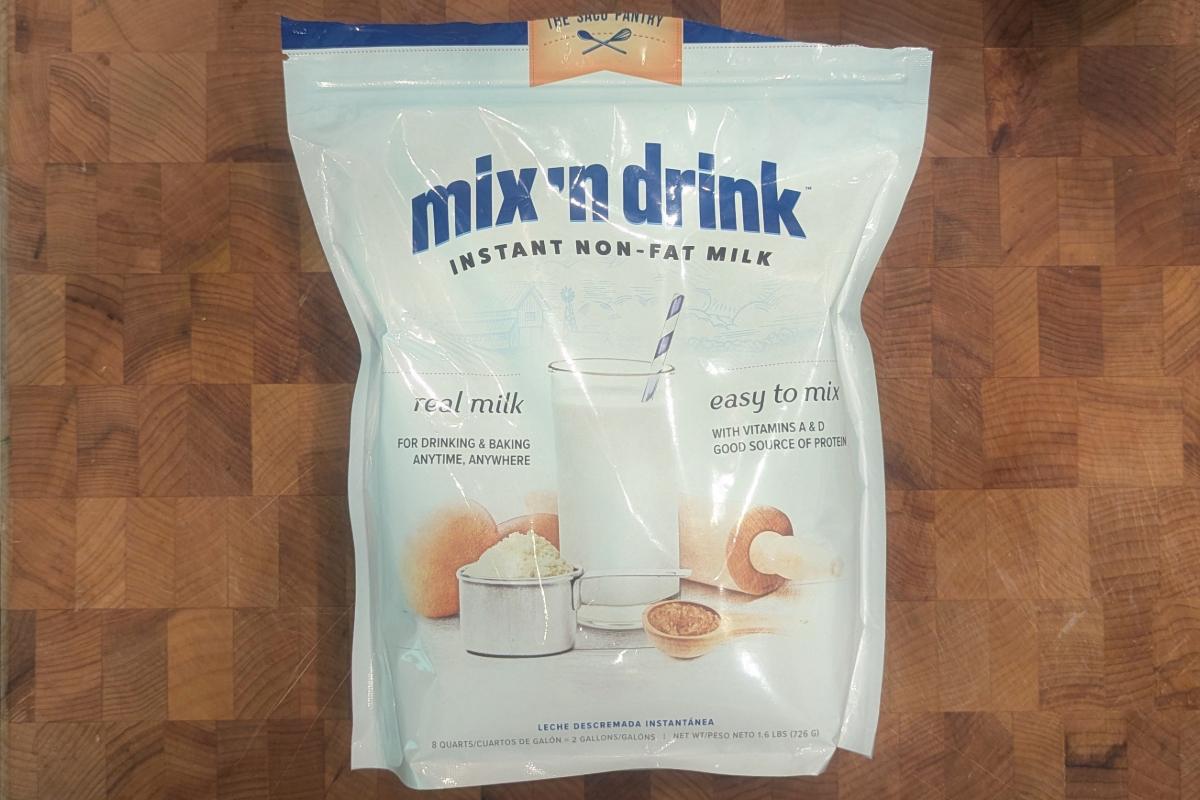
Skim milk powder (sometimes called SMP or non-fat dry milk) adds milk solids to your base without adding more water. That matters because water is what turns into ice crystals.
It’s inexpensive, has a long shelf life (1-2 years), and makes a big difference in the texture without changing the flavor. I use Saco Pantry brand, but Bob’s Red Mill is also great.
Sweeteners
Sugar is one of the most straightforward ice cream ingredients, but there’s more than one way to use it.
Granulated Sugar
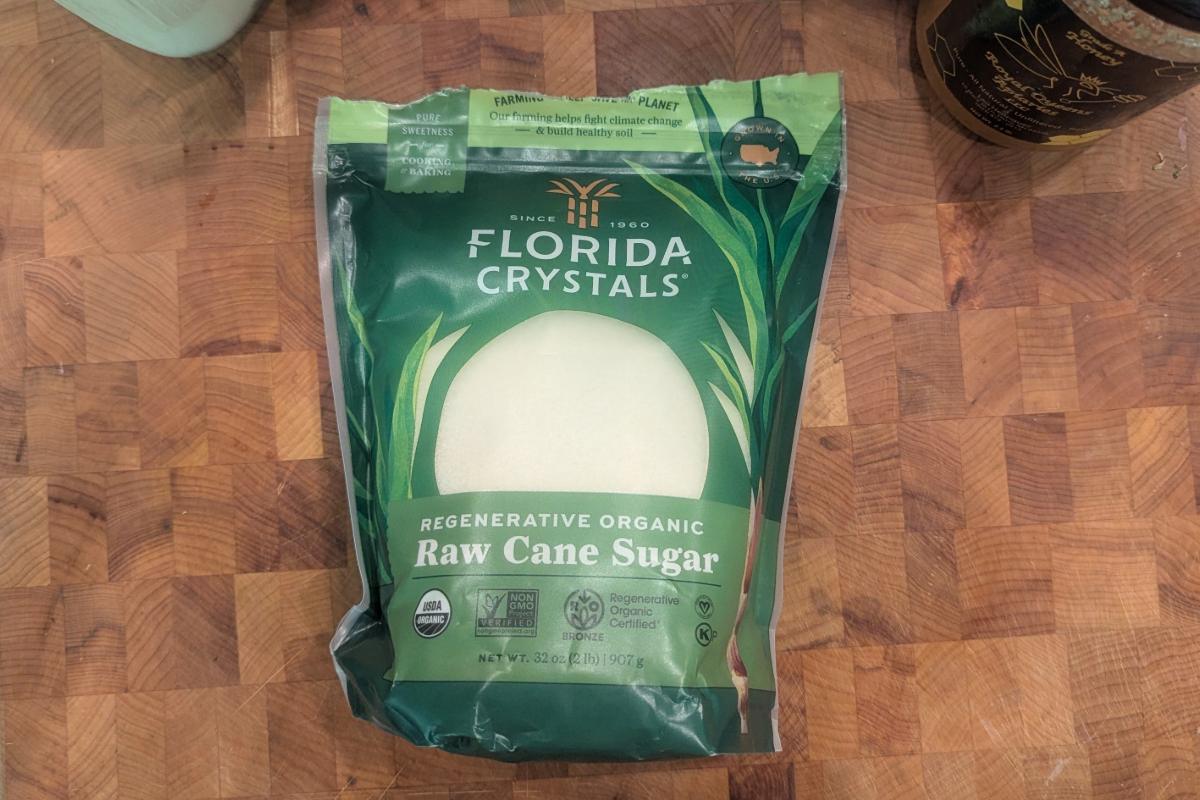
I use granulated sugar for almost everything. It dissolves cleanly, behaves predictably, and doesn’t compete with the other flavors in the base.
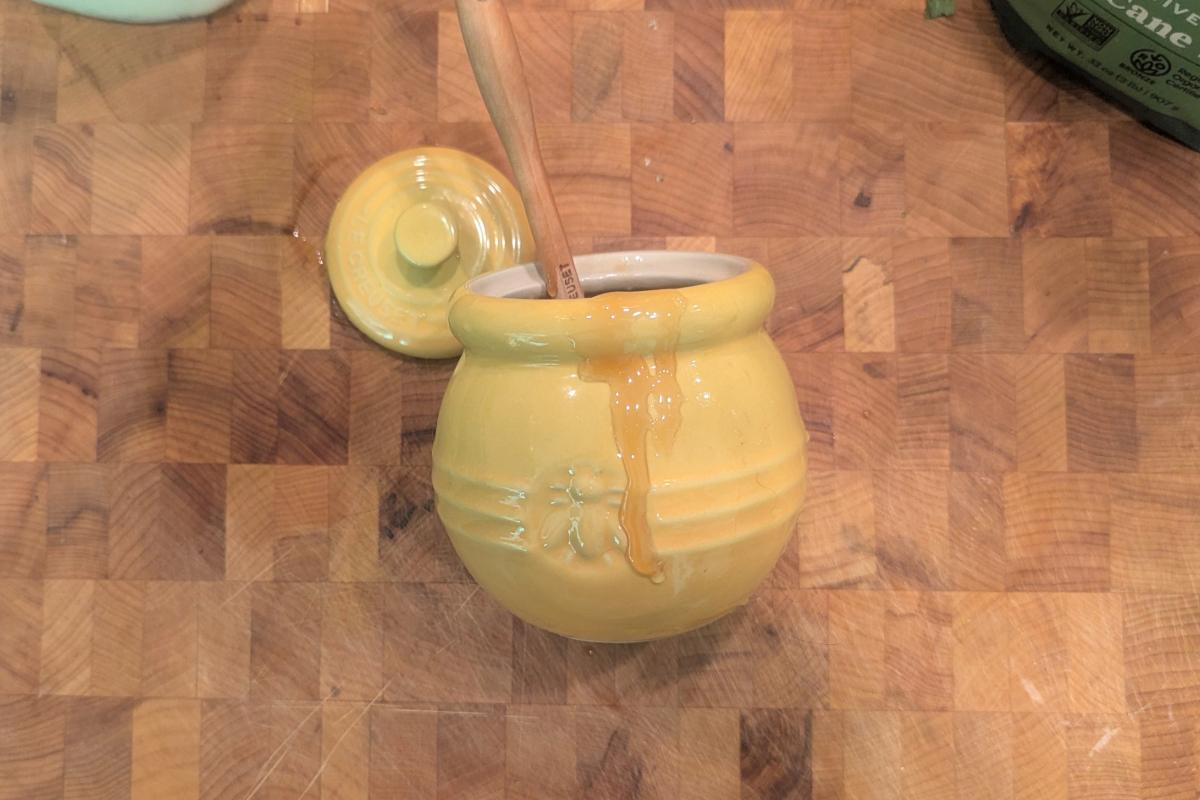
Honey
Honey brings two things: flavor and a slightly different texture. Because it’s hygroscopic (meaning it attracts and holds onto moisture), it can help keep ice cream a little softer in the freezer. That’s a nice side effect, but it’s really a secondary benefit. The main reason to use honey is that you want honey flavor. It’s not a neutral swap; it has an assertive floral flavor that can overpower other elements. If you want a clean, neutral sweetness, stick with granulated sugar.
Cooked sugar
Cooking sugar before it goes into a base changes what it can do, and there are two ways I use it.
The first is caramel. I make a wet caramel with water and a squeeze of lemon juice, cooked to a deep amber before the cream goes in. The lemon juice helps prevent crystallization, and the water gives you a little more control over the cooking process. In short, it’s easier to screw up a dry caramel. You can use this as a swap for sugar in the custard itself, or swirl it in as a ribbon later.
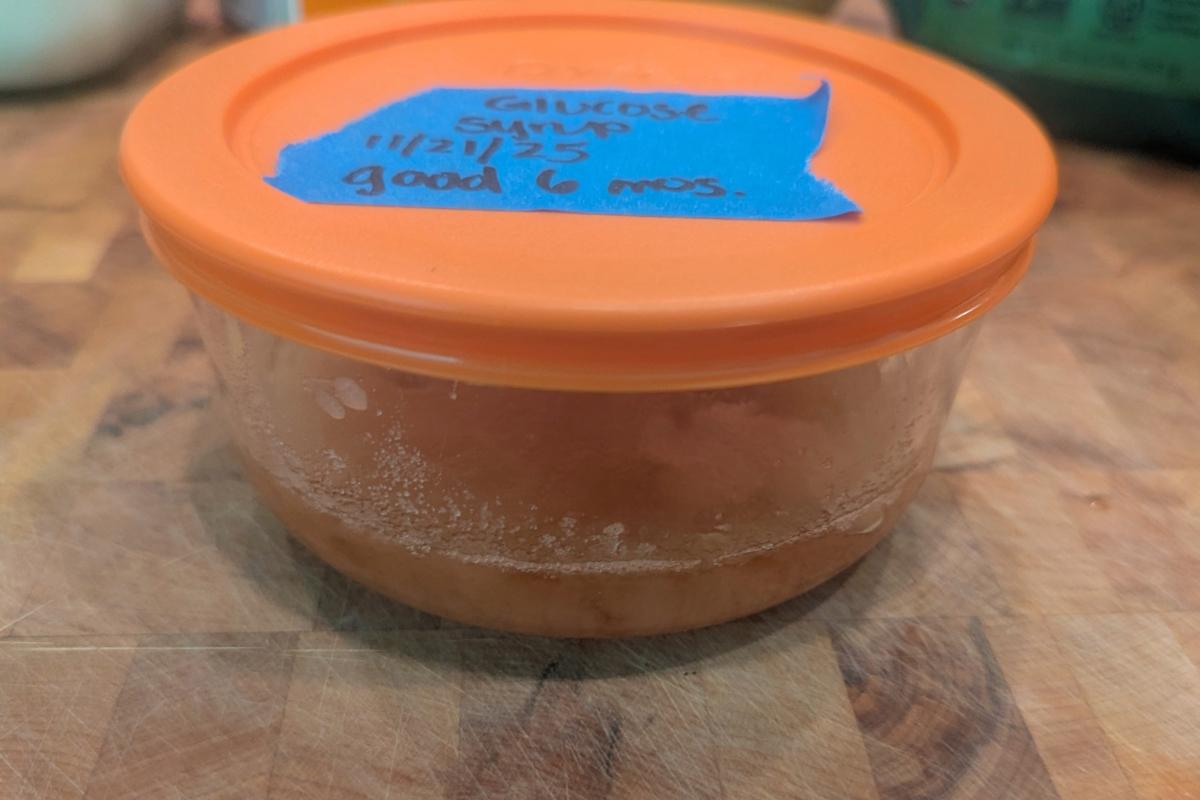
The second is invert sugar. This comes from Hello My Name Is Ice Cream by Dana Cree, a pastry chef whose book is worth having if you want to understand the science behind what you’re making. She uses an invert sugar made by cooking sugar with water and a small amount of acid until the sucrose breaks down into glucose and fructose. The result behaves differently than regular sugar in a base; it readily takes up moisture, resists crystallization, and helps keep ice cream softer in the freezer. It’s more involved than reaching for granulated sugar, but it’s a technique worth knowing about, and it’s the closest a home cook can get to some of the professional results without specialty ice cream ingredients.
Eggs
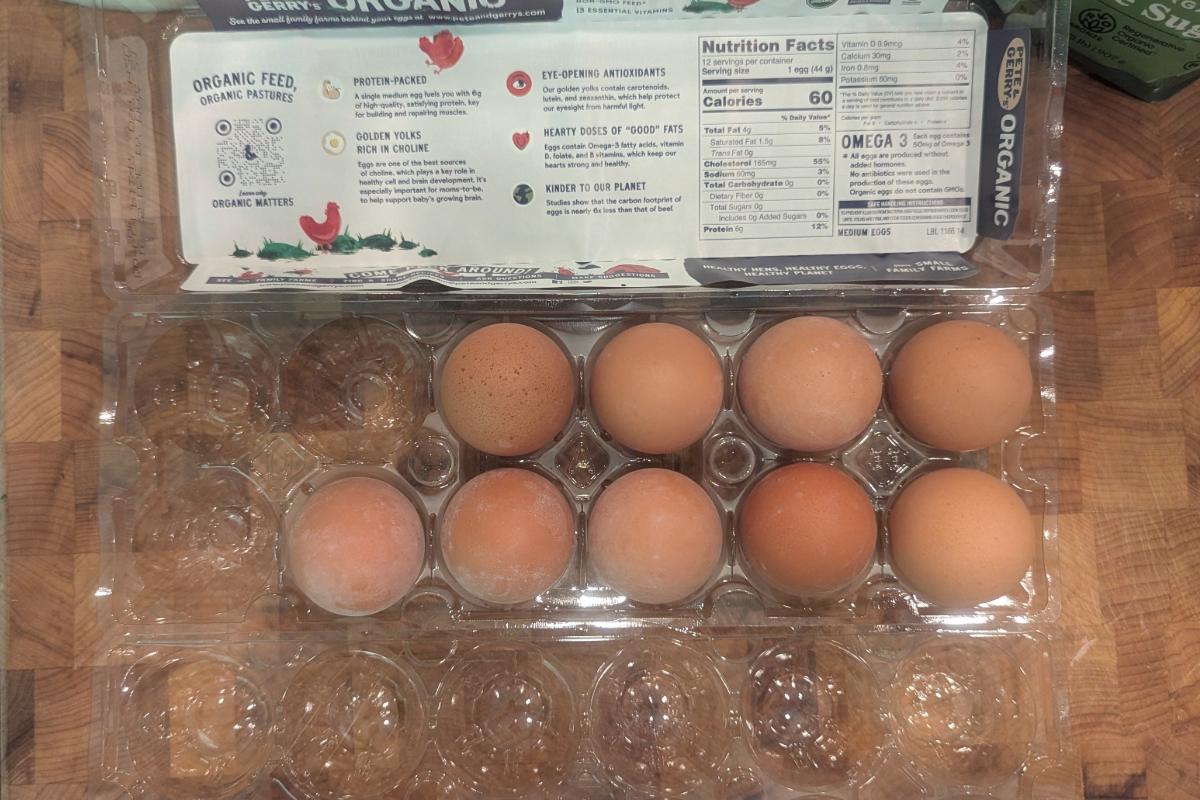
Egg yolks do two things in ice cream: they add fat, and they act as an emulsifier through the lecithin they contain. The result is a custard base that’s richer, silkier, and more stable than one made without them.
Use large eggs, as fresh as possible. The yolk color will vary depending on what the hens were fed (deeper orange yolks tend to have more flavor and will give your ice cream a warmer color, which is a nice bonus).
Eggs aren’t required for every style. Philadelphia-style ice cream skips them entirely, which makes for a cleaner, lighter result that lets delicate flavors come through more clearly. Neither is better; they’re just different tools for different jobs.
Stabilizers: What I Actually Use
Stabilizers are the most misunderstood of all homemade ice cream ingredients. People either avoid them entirely (“I want to make ice cream the natural way”) or treat them as a magic fix for every problem. Neither is quite right.
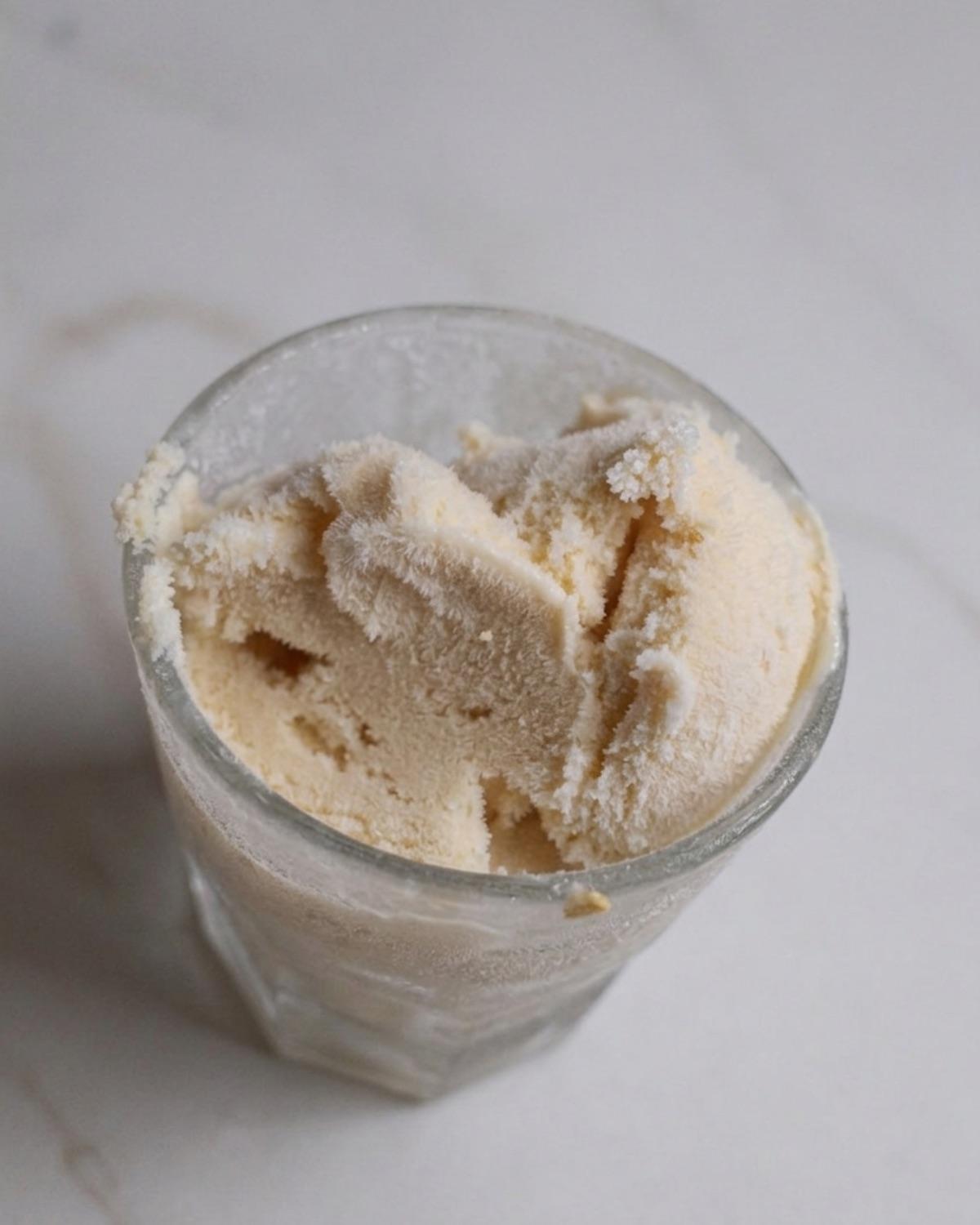
Here’s what stabilizers actually do: they slow the growth of ice crystals over time, which means your ice cream stays smoother and creamier for longer in the freezer. They help with what’s called heat shock—when ice cream melts slightly and refreezes, stabilizers reduce the damage to texture. They don’t fix a bad base, and they’re not necessary for ice cream you’re eating the same day you churn it.
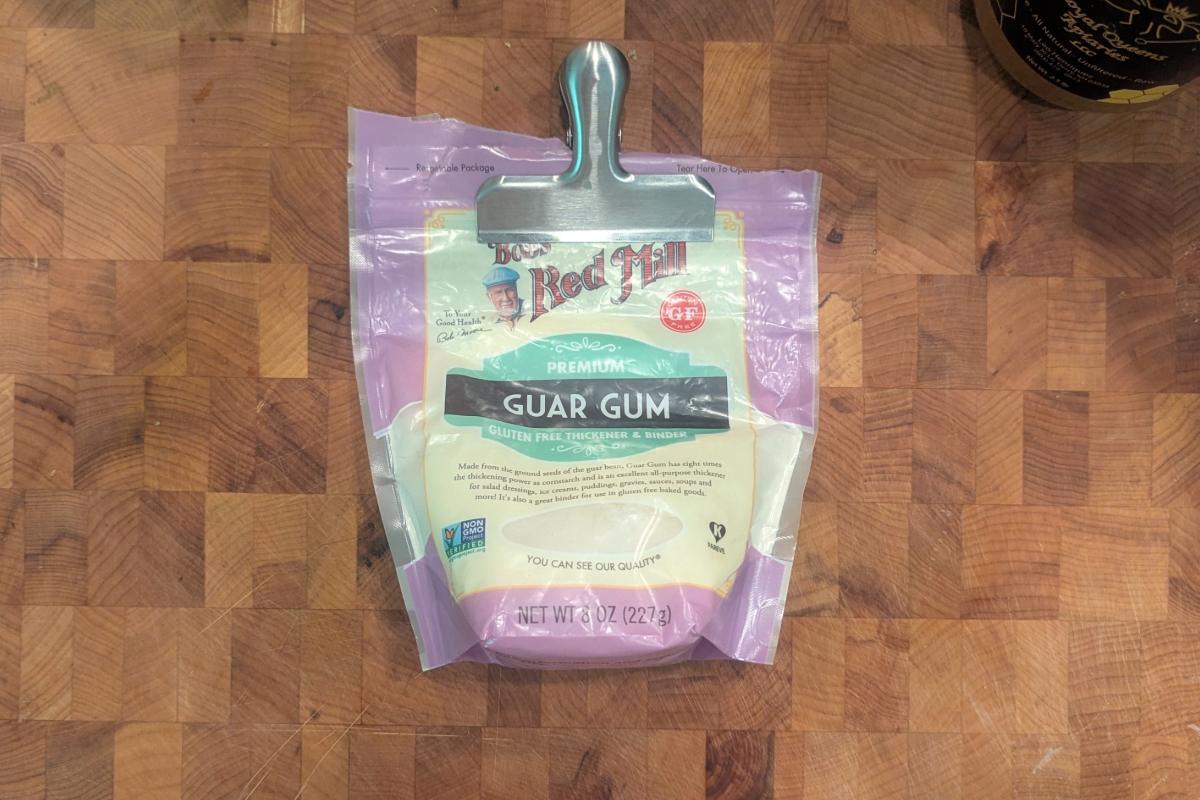
Guar gum
This is the only stabilizer I use regularly. It’s made from guar beans, widely available online and in natural food stores, and effective in amounts so small you’ll need a gram scale to measure it.
Other stabilizers worth knowing
If guar gum alone isn’t giving you the texture you want, adding locust bean gum or switching to a pre-mixed commercial blend is the next place to look. I break down exactly how each one behaves, and when it’s worth the switch, in Stabilizers 101.
Are These “Real” Ice Cream Ingredients?
If you’ve made it this far, you might be side-eyeing the guar gum and wondering whether “real” homemade ice cream should have any stabilizer in it at all. Fair question. And the honest answer is: it depends on what you’re comparing it to.
Store-bought pints often lean on a long list of stabilizers, gums, and emulsifiers to survive weeks in a distribution warehouse and a truck that isn’t always kept at the right temperature. What you’re doing at home is different. A small, precise amount of guar gum—0.3 grams per quart, mixed properly into your dry ingredients—isn’t there to extend shelf life indefinitely. It’s there to keep your ice cream smooth for the few days you’re actually going to eat it.
So yes, these are real ingredients, in the sense that every one of them is something you’d recognize and could buy on its own at the store.
But to be clear: you can make excellent ice cream with no stabilizer at all. If you’re eating it fresh, you probably won’t notice the difference. The case for a stabilizer gets stronger the longer that container sits in your freezer.
Flavor Builders
These ice cream ingredients don’t announce themselves, but they’re doing more work than you’d think.
Vanilla
Vanilla is in nearly every recipe on this site, even the ones that aren’t vanilla ice cream. It rounds out the dairy flavor and adds depth in the background.
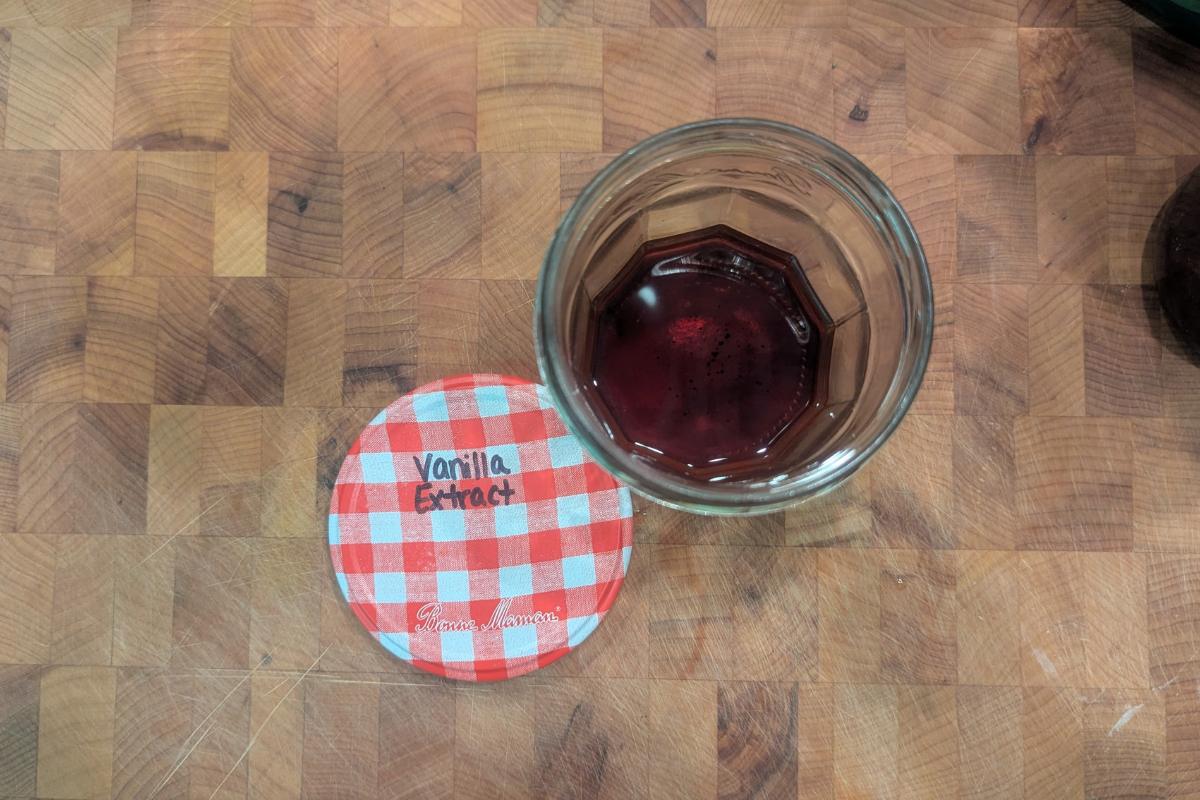
My preference is homemade vanilla extract because it’s inexpensive and lasts forever. Store-bought vanilla extract is fine as long as it’s not imitation. One teaspoon is plenty. If you want those lovely vanilla bean specks, scrape the caviar from a bean or grab a nice vanilla bean paste instead.
Salt
Salt is not optional. A small pinch in every batch makes every other flavor taste more like itself. It’s not there to make the ice cream taste salty; it’s there to make it taste more.
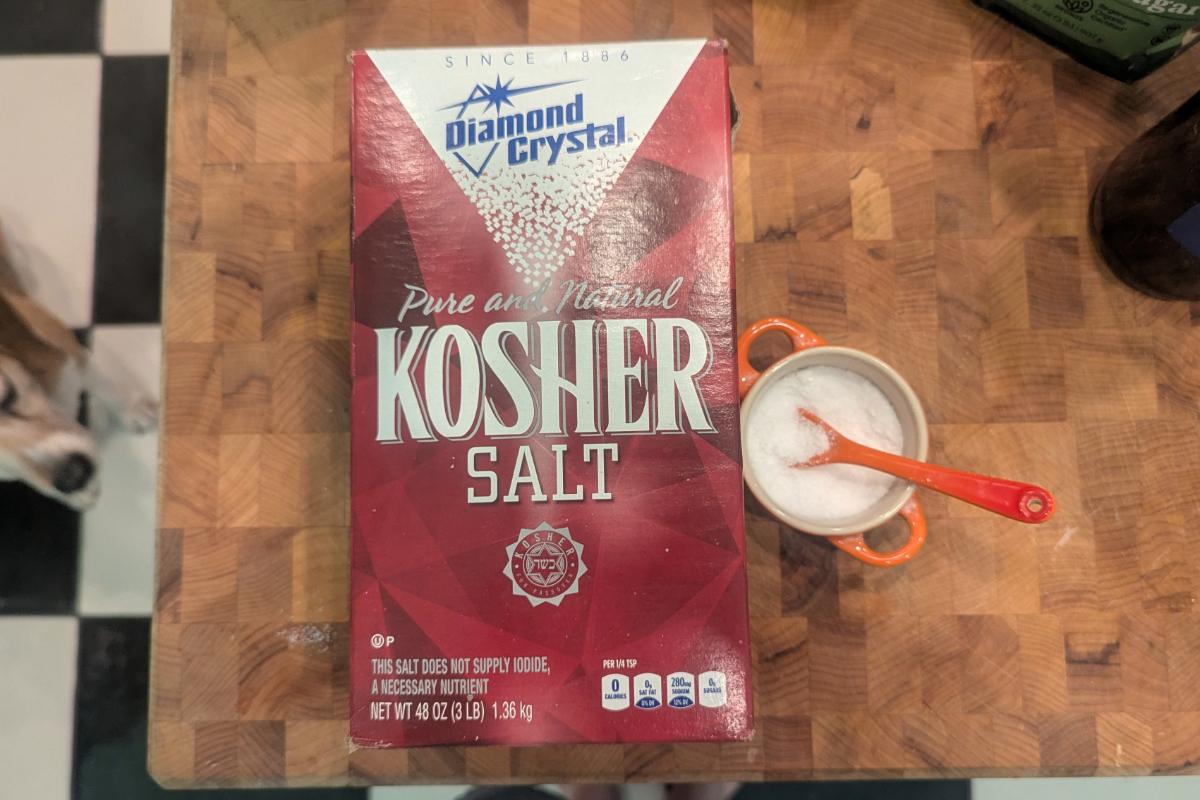
I use Diamond Crystal Kosher Salt for everything. Avoid iodized table salt; it can leave a slightly metallic aftertaste.
Alcohol
I use it sparingly, but it’s worth knowing it does lower the freezing point. Even a tablespoon or two makes a difference, so don’t add too much of it for flavor purposes. Vodka is the neutral option. Bourbon, rum, or amaretto work great with vanilla, chocolate, or nutty flavors.
Where to Go from Here
That’s everything you need to get started. Once you’ve stocked the basics, the next natural step is learning how to combine them. My Custard Base recipe walks through turning this ingredient list into your first batch.